14 hr
Normandy D-Day Beaches Day Trip from Paris with Lunch
- Expert local guide
- Small group
- Skip-the-line access
- Free cancellation
2 Day Trip From Paris To Normandy — Landing Beaches & Memorial Sites
Chalk cliffs above a grey tide, marble crosses in rows.
Compare fares, pick the fit — all bookings are mobile-voucher and eligible for free cancellation where shown.
14 hr
12 hr
13 hr
| Experience | From | Duration | Rating | Skip-the-line | Guide | Small group | Price | |
|---|---|---|---|---|---|---|---|---|
|
Guided Experience
Most popular
Normandy D-Day Beaches Day Trip from Paris with Lunch
|
Paris | 14 hr | ★ 4.8 | ✓ | ✓ | ✓ | €94 | Book → |
|
Guided Experience
Normandy D-Day Beaches Full-Day Trip from Paris
|
Paris | 12 hr | ★ 4.9 | ✓ | ✓ | ✓ | €265 | Book → |
|
Guided Experience
Canadian D-Day Juno Beach Small-Group Tour from Paris
|
Paris | 13 hr | ★ 4.9 | ✓ | ✓ | ✓ | €240 | Book → |
Worth it for history-minded travellers, not rushers
A 2 day trip from paris to normandy costs you time and coach fare, not admission: entry to the Normandy American Cemetery at Colleville-sur-Mer is 0 EUR (free entry). What you pay for is transport and interpretation, and the honest value math sits there. Over two days you can pair Omaha Beach with Juno Beach or Mont Saint-Michel, which single-day Normandy D-Day tours cannot do without cutting the coast to a blur. History-focused travellers get the payoff: bluff-top ground above the landing sector, the Walls of the Missing, the reflecting pool, and time to read a headstone rather than pass it. First-time D-Day visitors gain the geography that maps and museums flatten. Those genuinely short on time are better served by a full-day run from Paris than by stretching two days thin. The 2 day trip from paris to normandy tours priced on this page are the only figures to trust.
Bottom line: If D-Day is why you crossed the Atlantic, book the two-day Normandy tour; if it is one box on a Paris landmarks list, take the single-day version and spend the difference elsewhere.
They complement each other, but the day-trip format is better for most travelers who only want the Normandy landing beaches and American Cemetery; the 2 day trip from paris to normandy tour wins if you want a broader WWII-plus-overnight itinerary. The choice comes down to depth versus efficiency, not access.
|
Top pick 2-day Paris to Normandy |
Normandy D-Day day trip | |
|---|---|---|
| trip length | 2 days, 1 night | About 1 day |
| overnight stay | Included in Caen | Not included |
| main focus | WWII sites plus regional stops | D-Day beaches and cemetery |
| transport style | Coach or private vehicle | Coach or minivan |
| entrance fees | Included on some tours | Usually not included |
| group style | Small group or private | Small group or standard group |
| best for | Travelers wanting a fuller circuit | Travelers short on time |
| booking commitment | Higher, due overnight | Lower, simpler planning |
| See tickets & prices |
Verdict: If you want a fuller Normandy circuit and are happy to spend the night, the 2 day trip from paris to normandy is the richer choice; if you mainly want the landing beaches and cemetery in one efficient outing, the day trip is the smarter pick.
Hand-picked experiences loved by thousands of travelers
15 hours
Free Cancellation
A full-day journey from Paris to WWII's Omaha Beach and the medieval island abbey of Mont Saint-Michel.
A 2-day escape from Paris to the D-Day beaches, Saint-Malo, and Mont Saint-Michel.
14.5 hours
Free Cancellation
Private day trip from Paris to D-Day beaches and Mont Saint-Michel in a Mercedes car.
13 hours
Free Cancellation
Full-day journey from Paris to Normandy's D-Day beaches, cemetery, and a local lunch.
12 hours
Free Cancellation
Full-day minibus journey from Paris to Omaha Beach, the American Cemetery and Arromanches.
10 hours
Full-day guided journey from Paris to Normandy's D-Day beaches, cemeteries and landing sites, with hotel pickup.
12 - 12.5 hours
Free Cancellation
Full-day trip from Paris to Normandy's D-Day sites with a trilingual guide and easy transport.
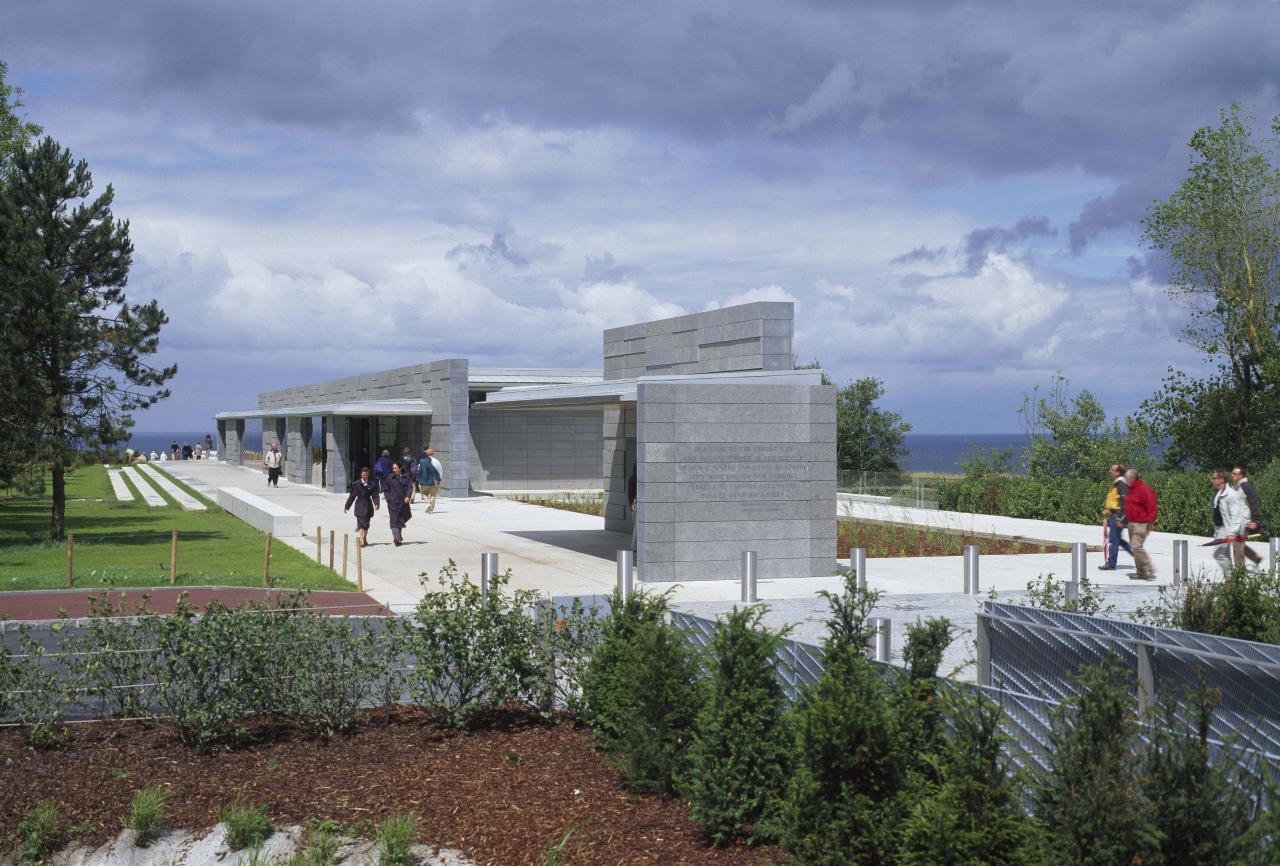
Enter from Route du Cimetiere Americain and begin with the visitor-center area before moving to the memorial terraces.
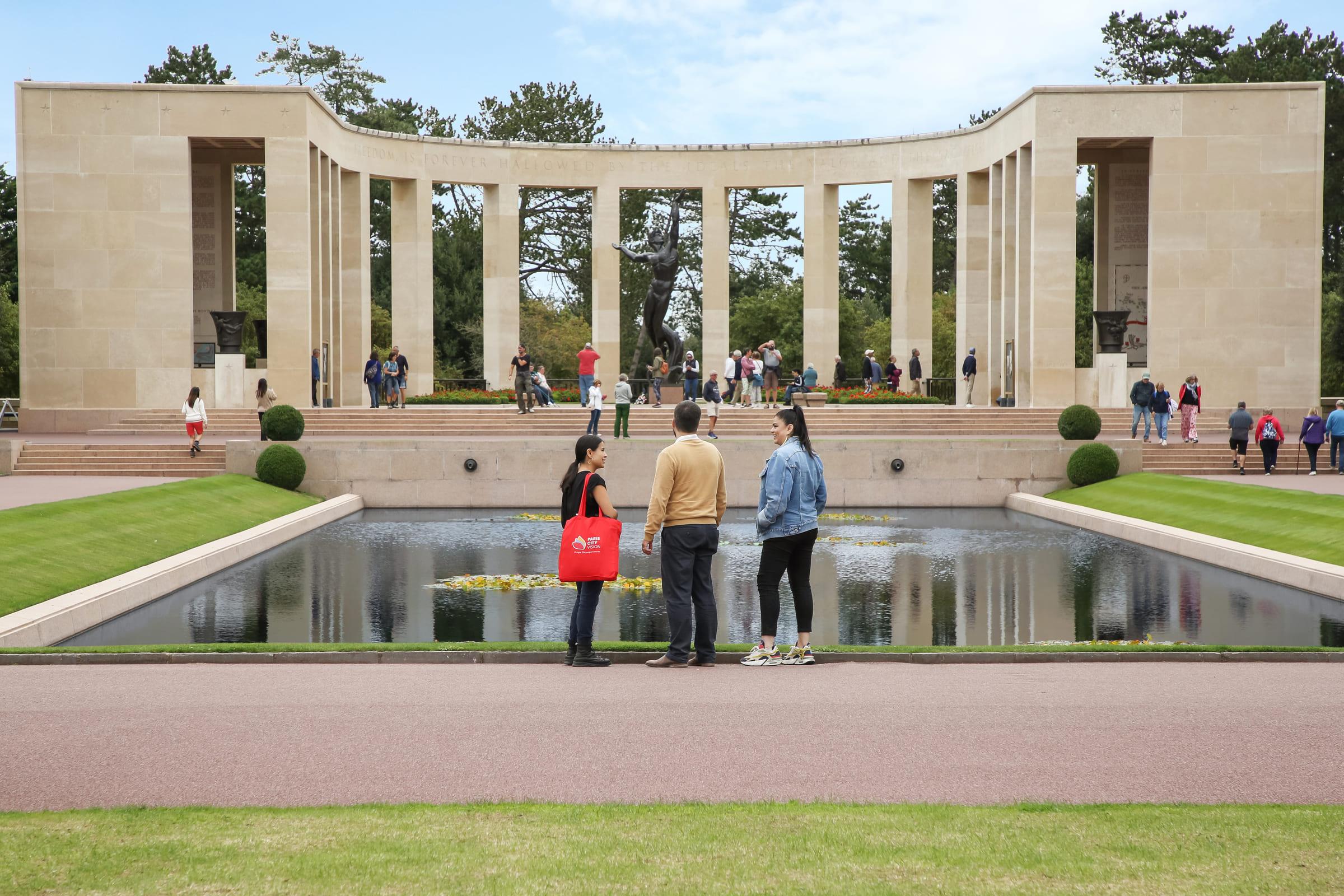
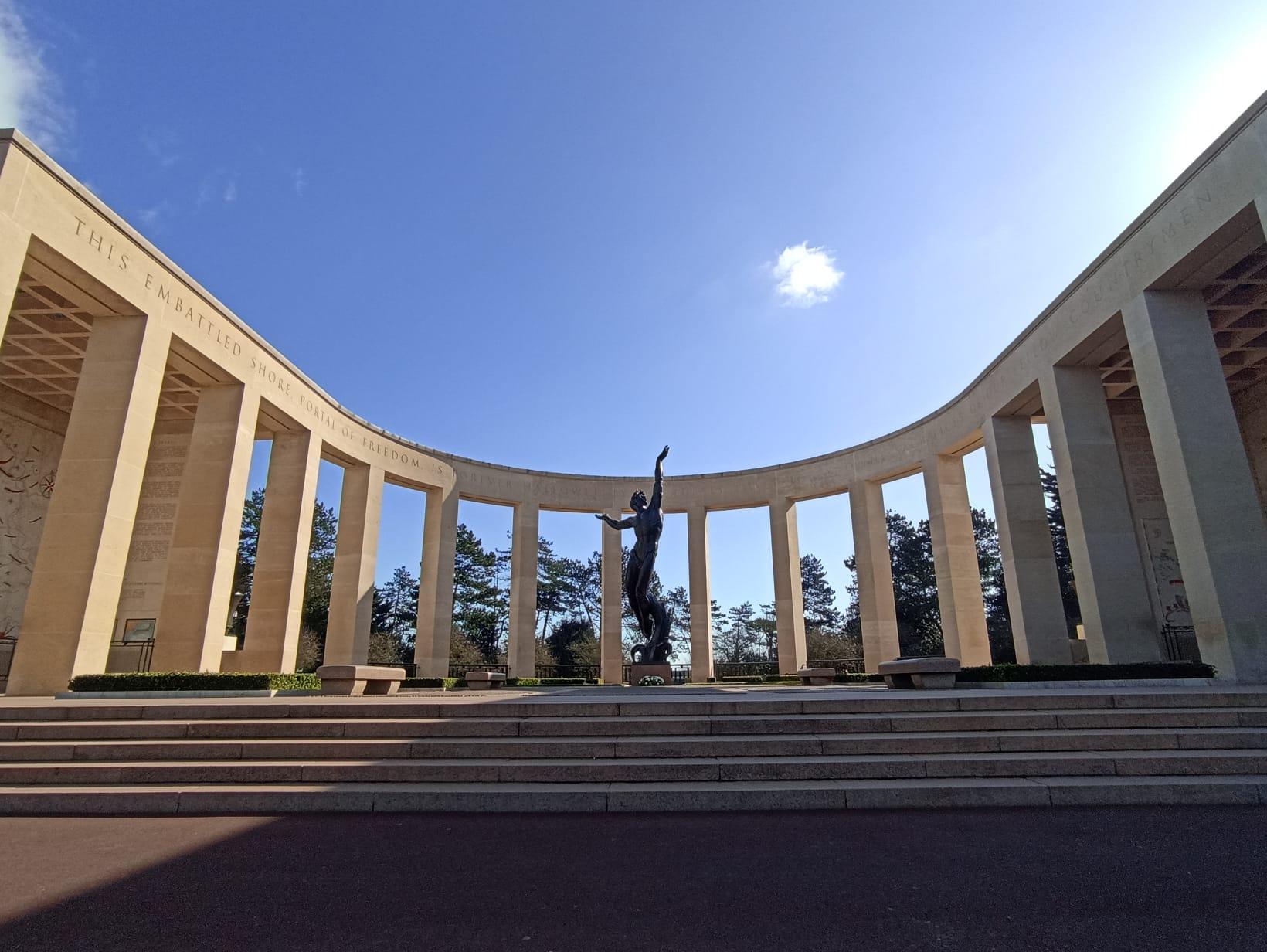
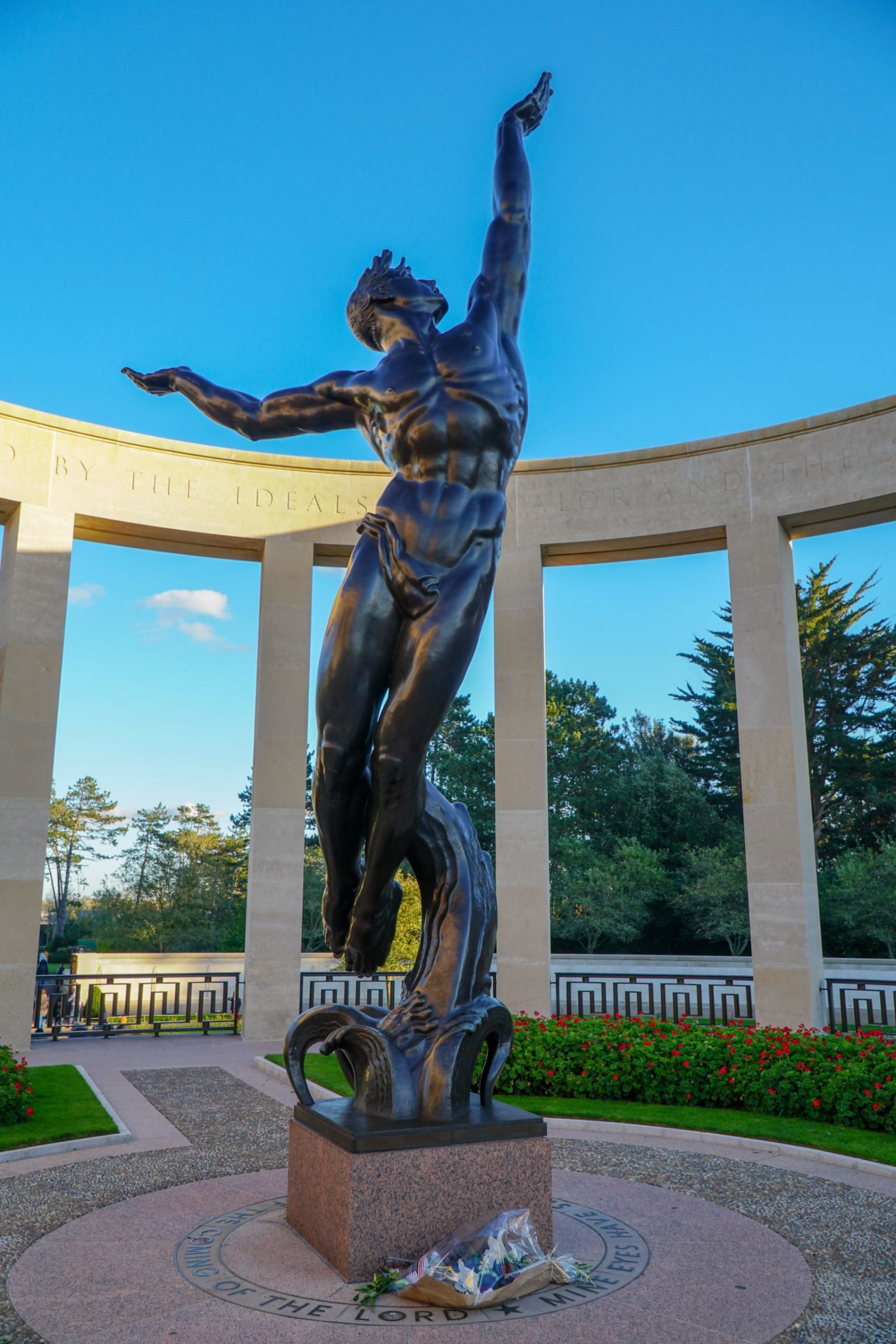
Walk the semicircular colonnade, read the operational maps, and view the central bronze statue from the main axis.
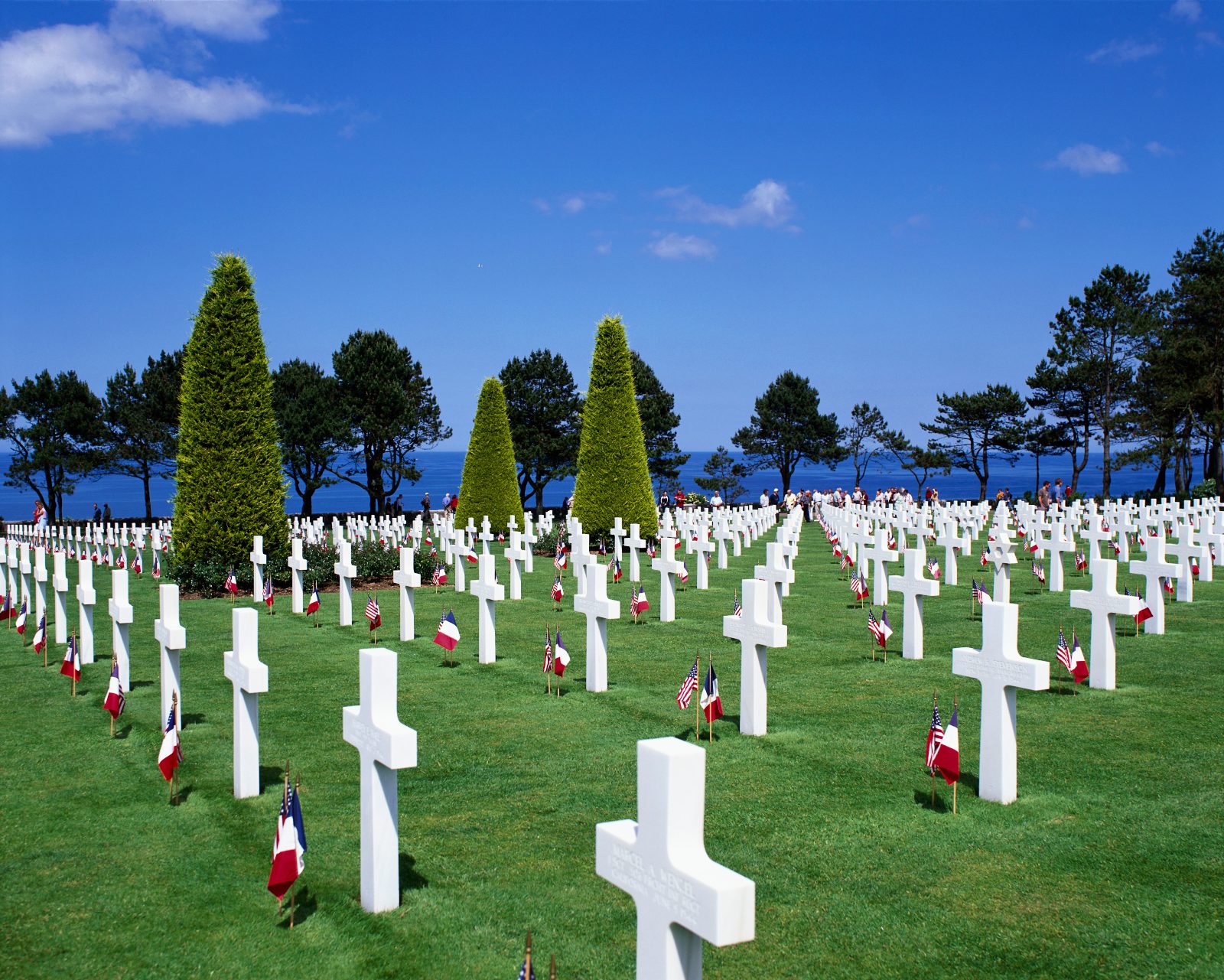
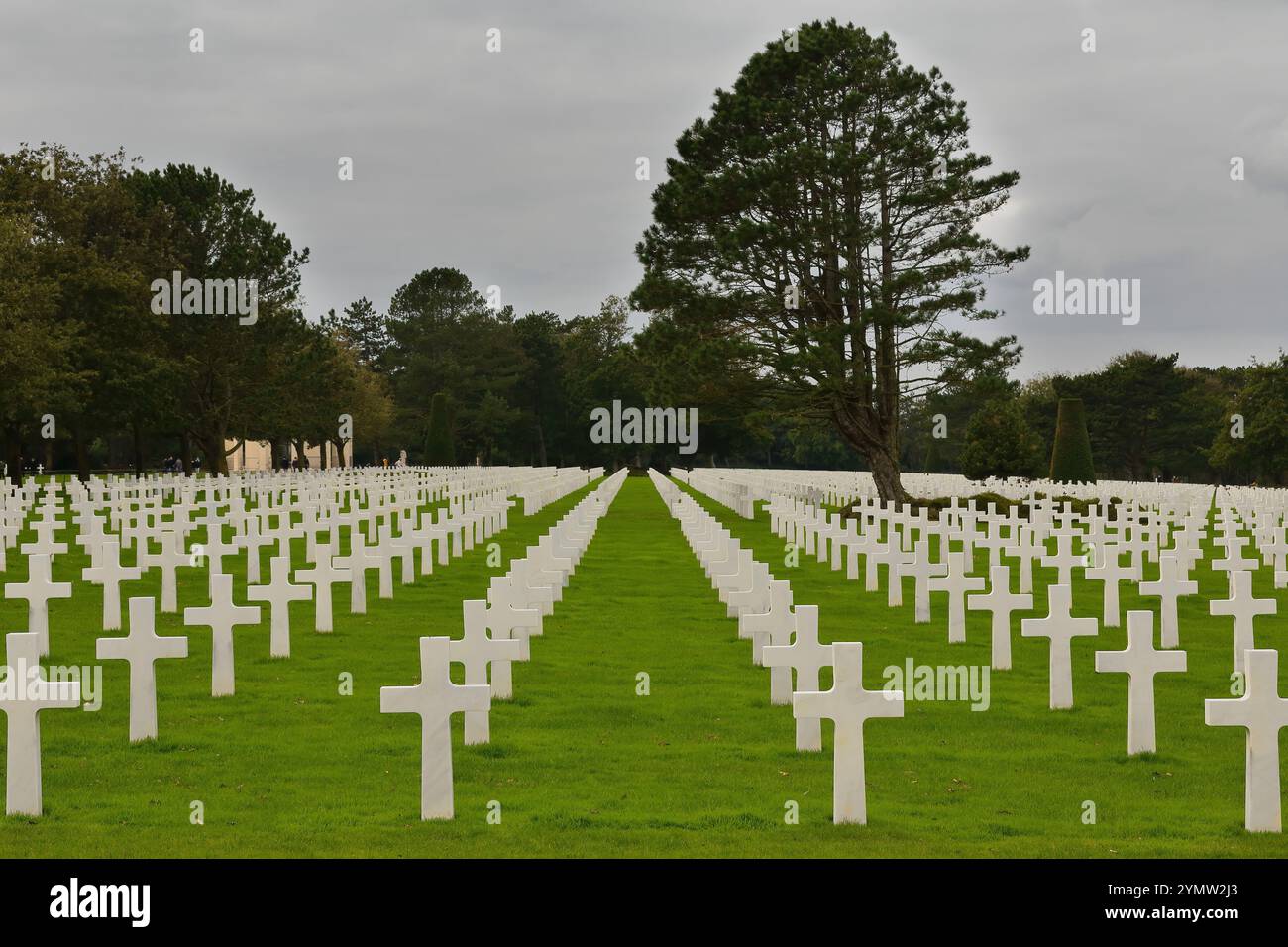
Move through the burial rows slowly and note the scale of the site, which holds 9,389 graves.
End at the semicircular garden on the east side of the memorial where 1,557 names are inscribed.
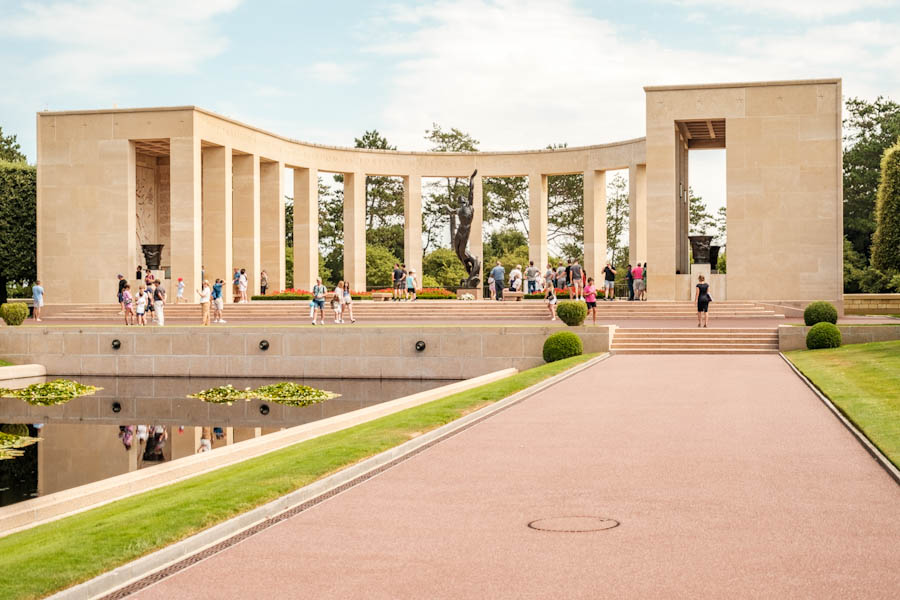
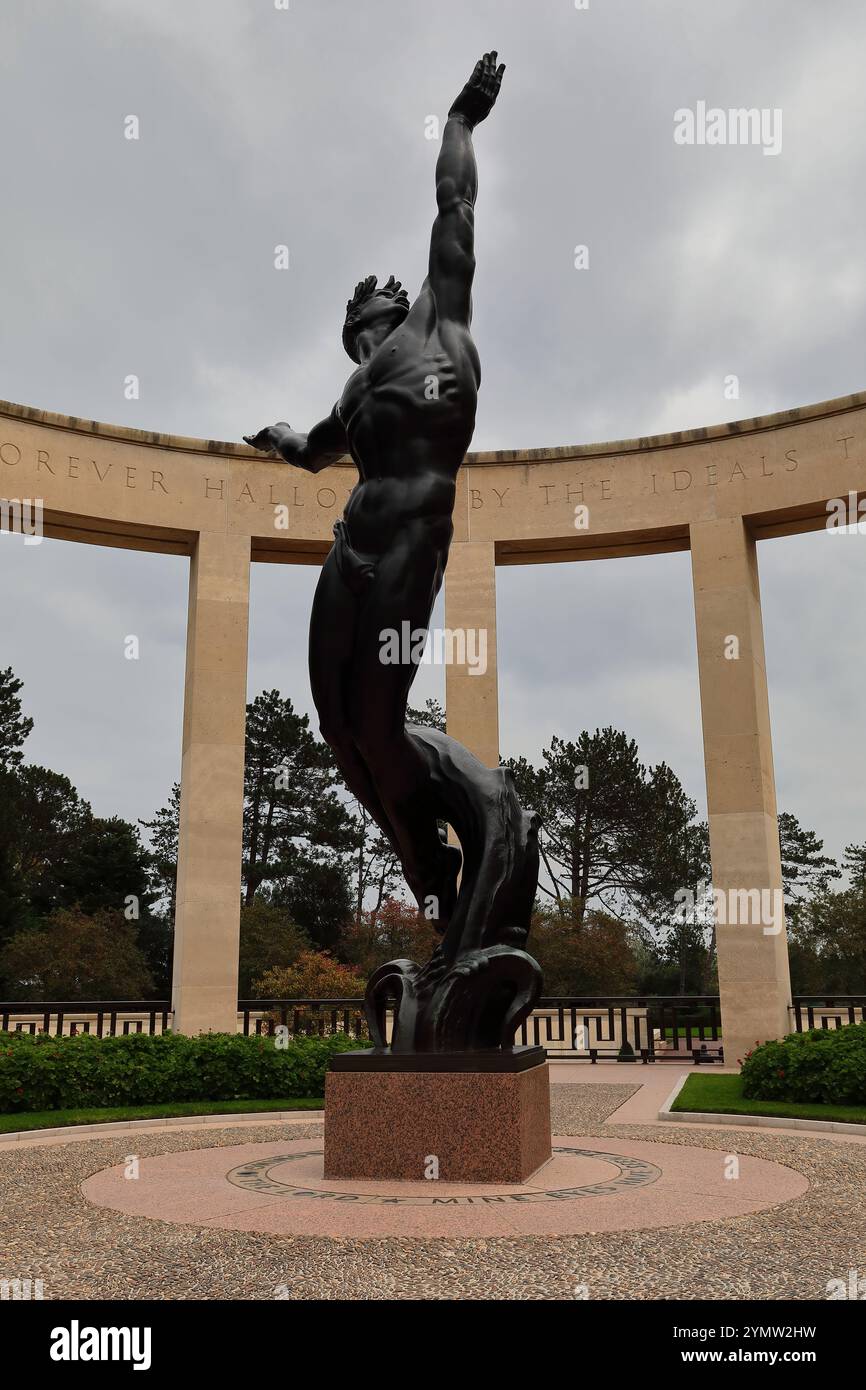
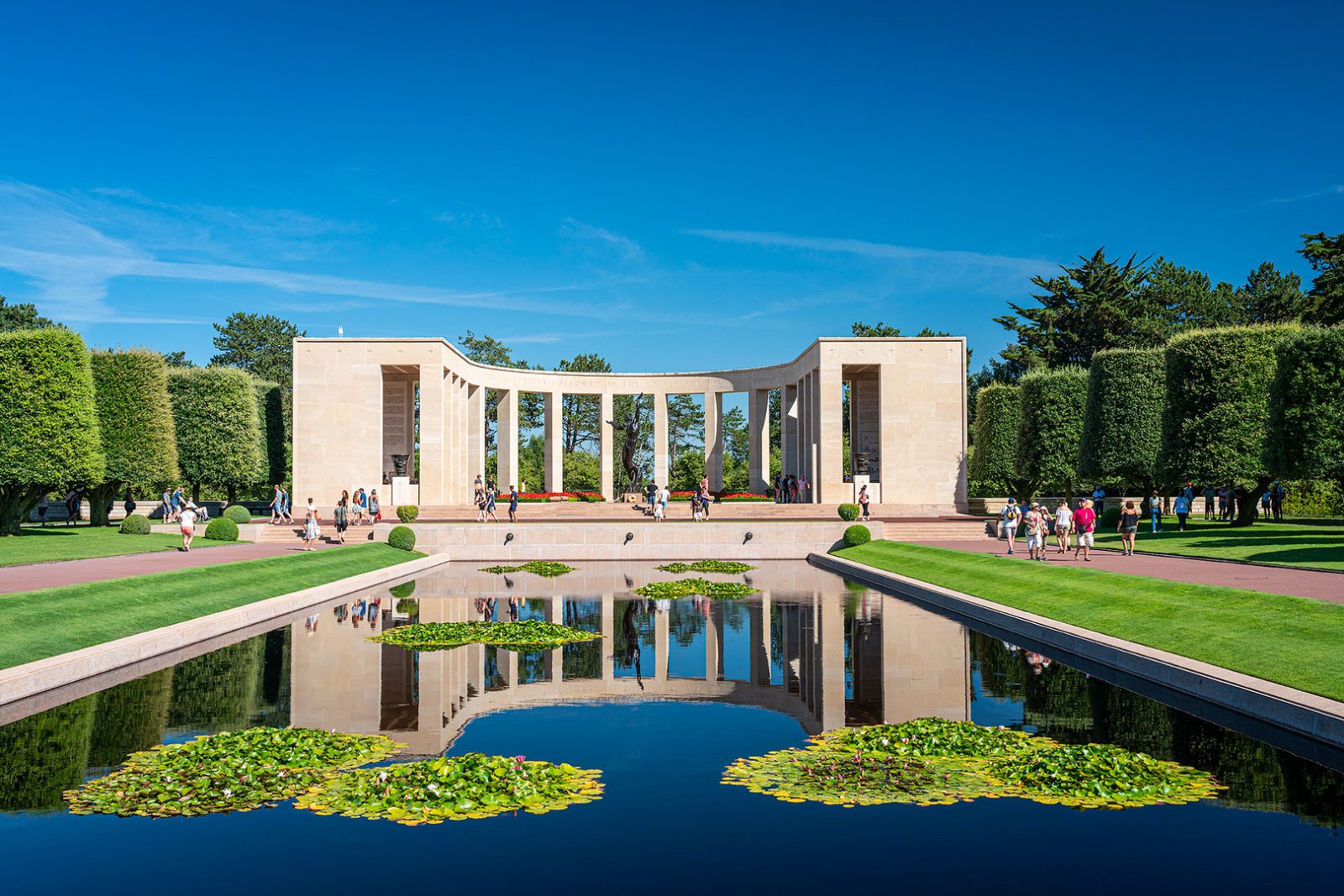
The semicircular colonnade frames the cemetery’s main ceremonial axis and contains large maps and narratives of the operations. At the center stands the bronze statue Spirit of American Youth Rising from the Waves, giving the memorial a clear focal point.
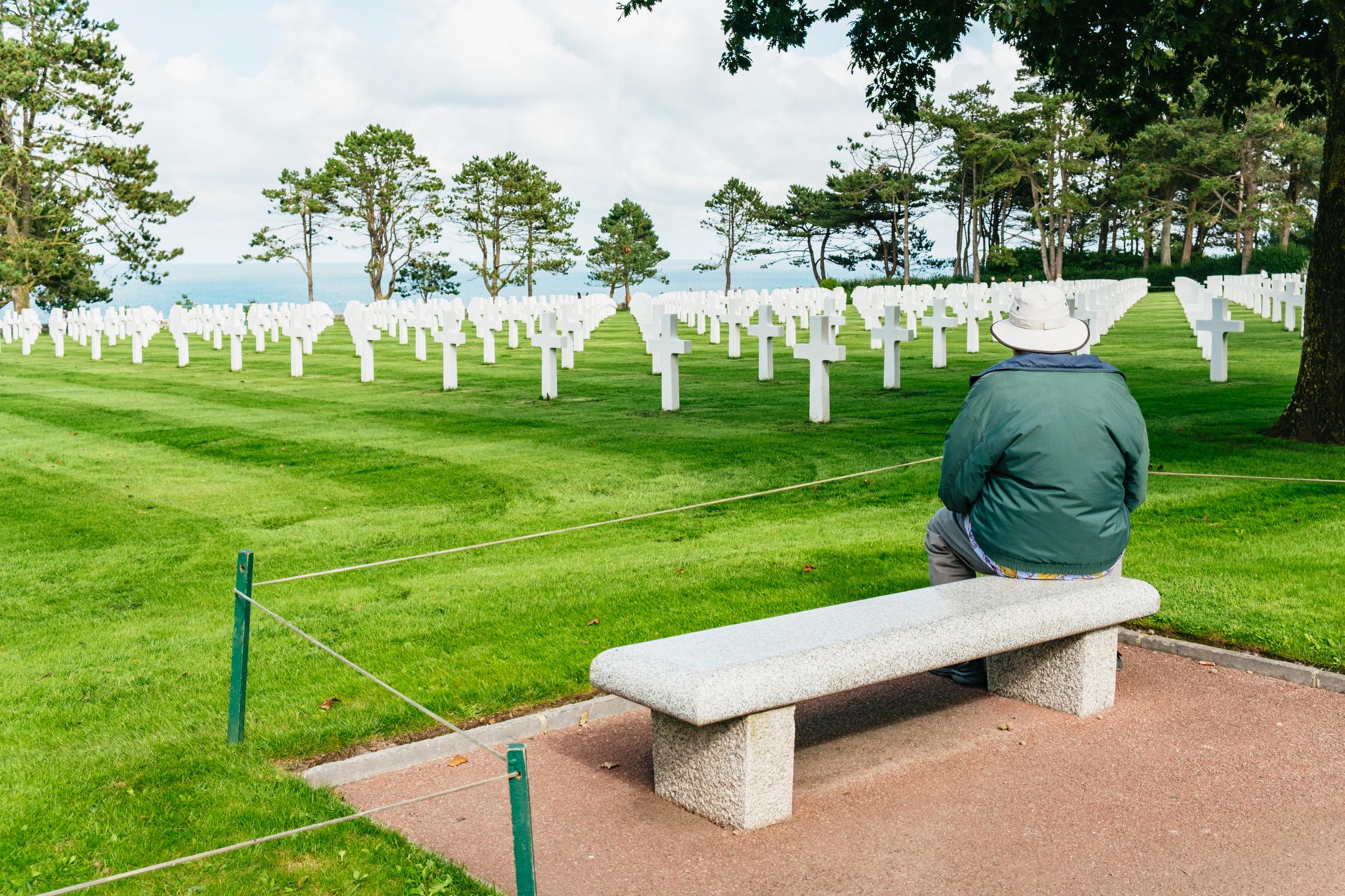
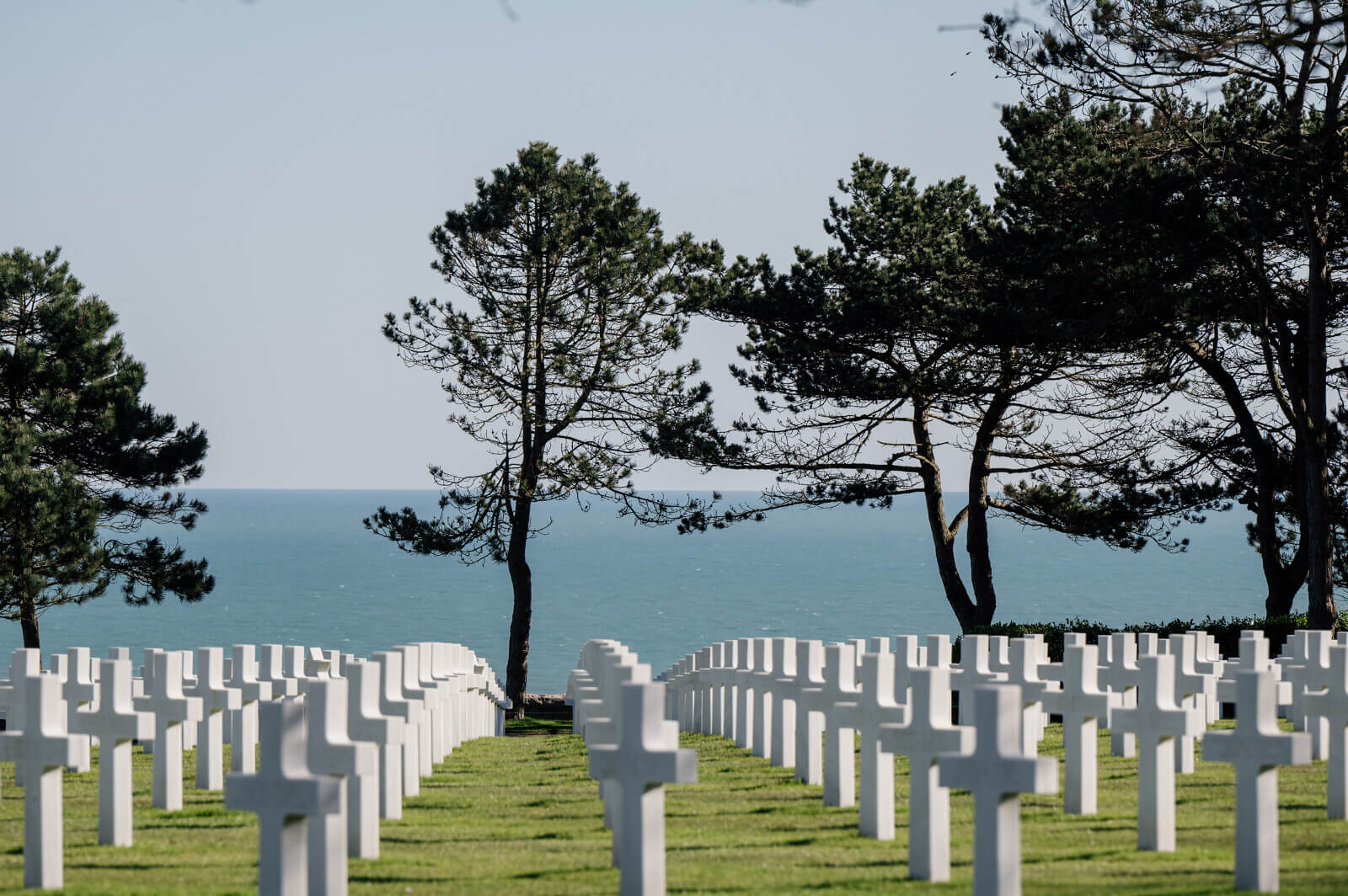
The burial ground contains 9,389 graves, making the scale immediately legible as you walk the rows. The symmetry of the white headstones against the coastal landscape is one of the site’s defining visual features.
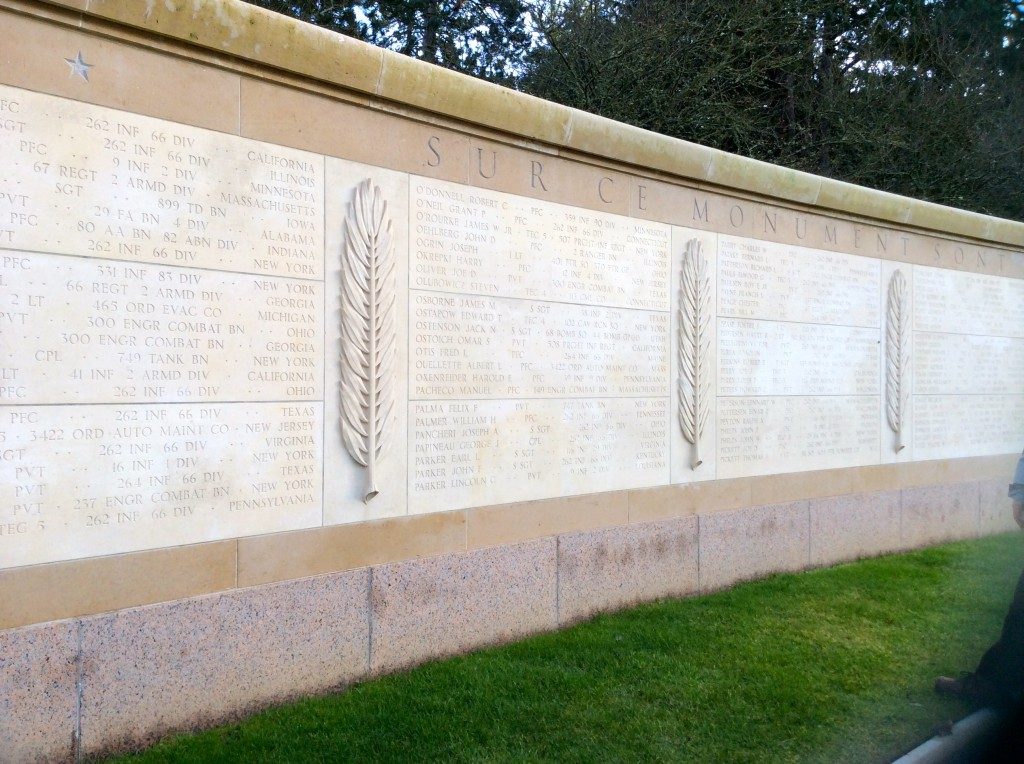
This semicircular garden lists 1,557 names of the missing, with rosettes marking those later recovered and identified. The design makes absence as visible as burial, which is one reason the site feels so complete historically.
This bronze statue sits at the center of the memorial and anchors the whole composition. It is a useful reference point when reading the site layout because it sits between the reflecting pool and the burial area.
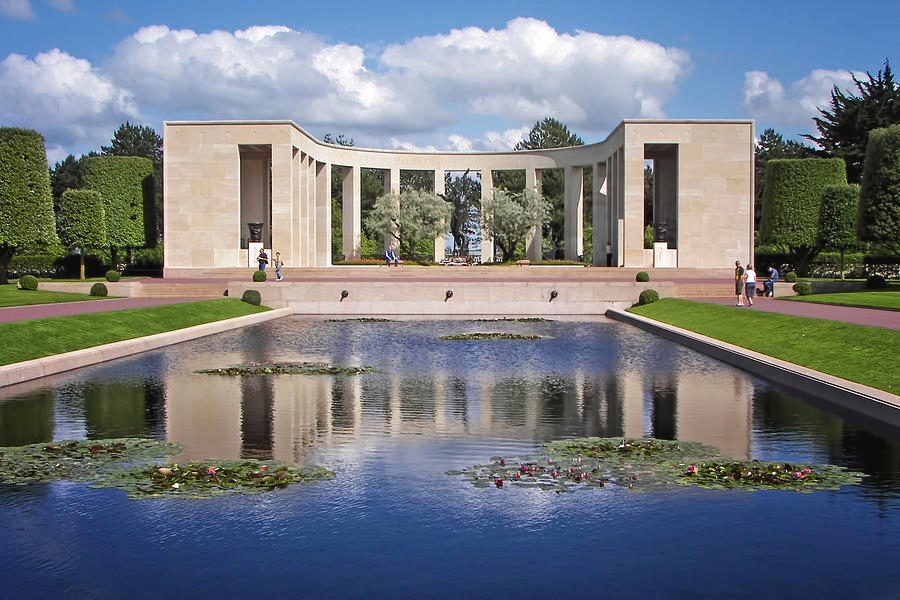
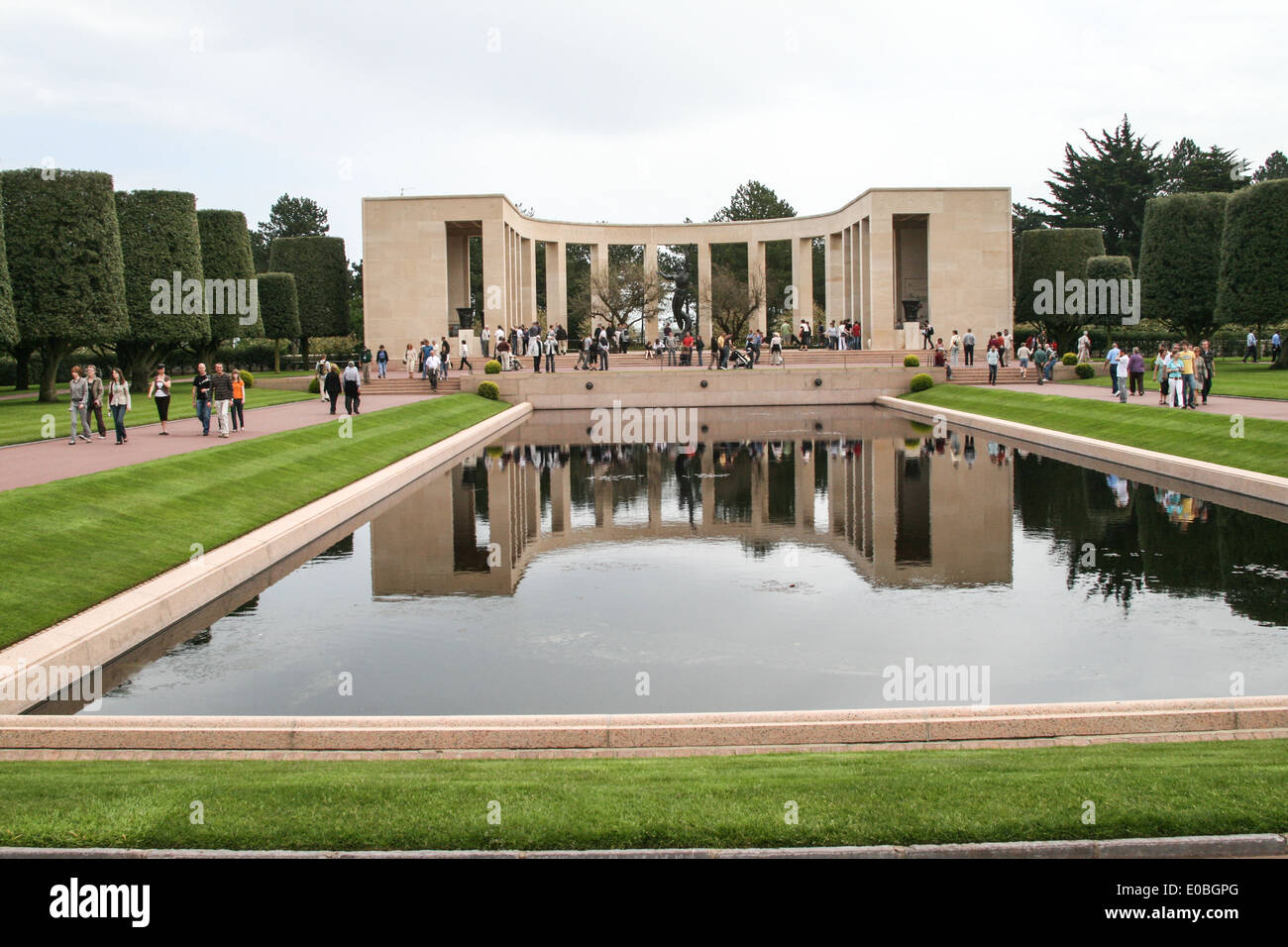
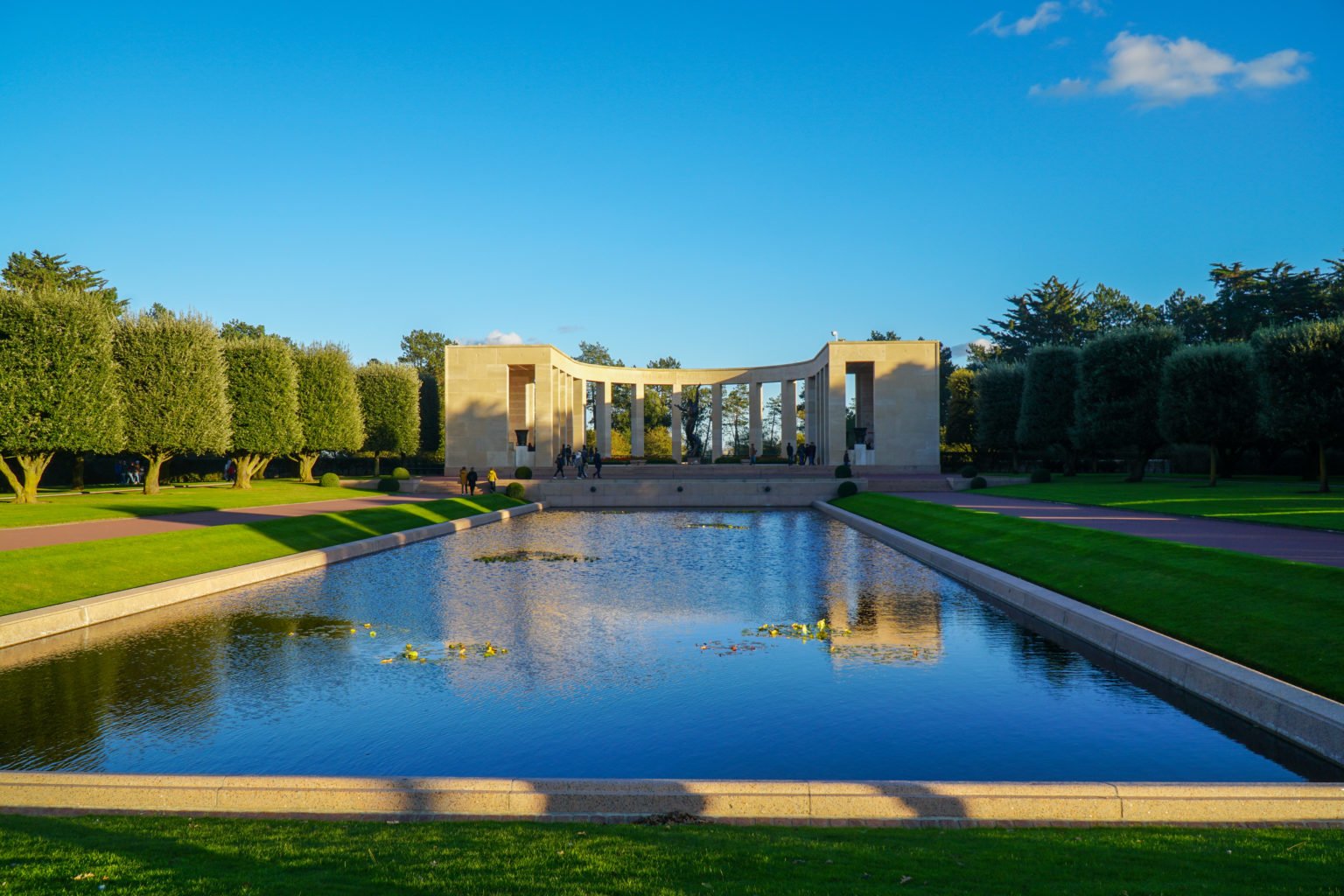
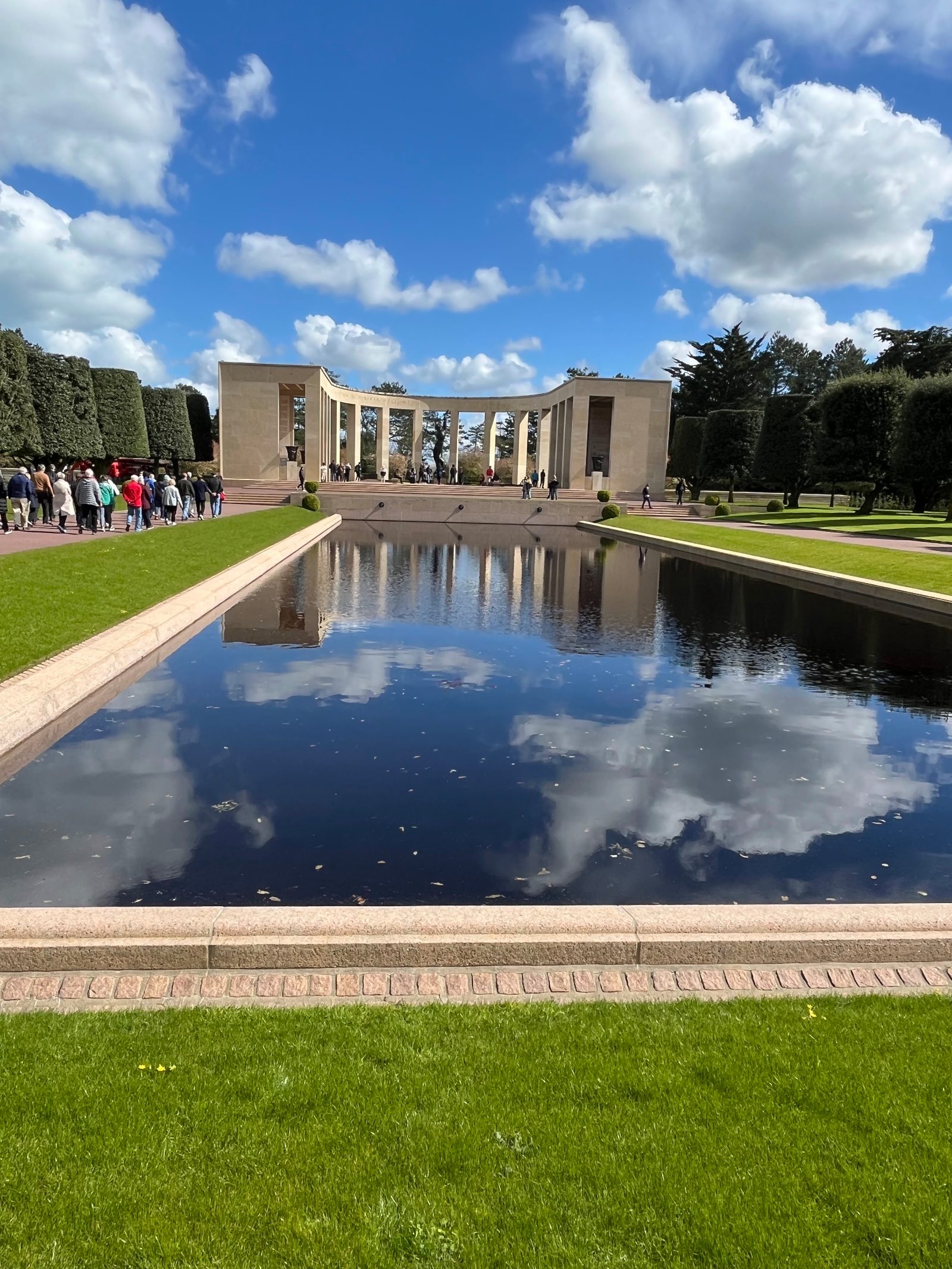
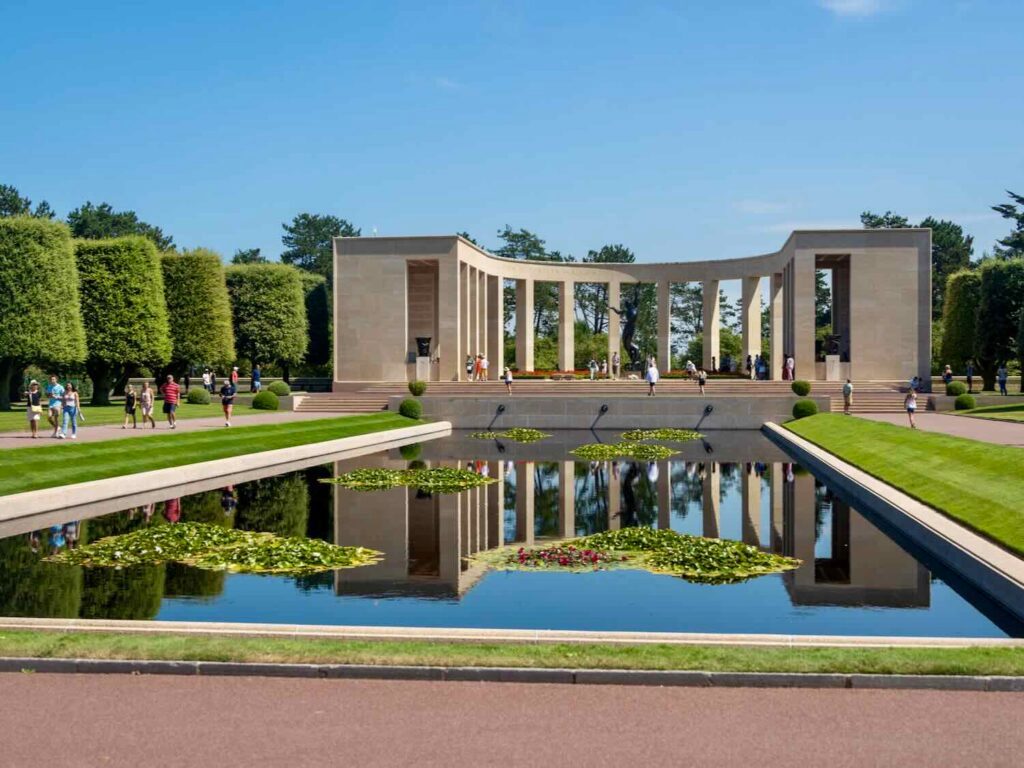
The reflecting pool separates the ceremonial approach from the burial ground and creates a quiet transition point. Its still surface emphasizes the symmetry of the memorial and the open coastal light.
The entrance and visitor-center zone is where many visitors start their 2 day trip from paris to normandy stop. It is the best place to orient yourself before walking the memorial’s full ceremonial path.
You leave Paris early, and the motorway west thins into apple country somewhere past Évreux. Most 2 day trip from paris to normandy tours reach the coast by late morning.
You arrive at the Normandy American Cemetery, Route du Cimetiere Americain, Colleville-sur-Mer, ideally in the 09:00–10:30 window, when the car park is still half empty and the light comes low across the lawn.
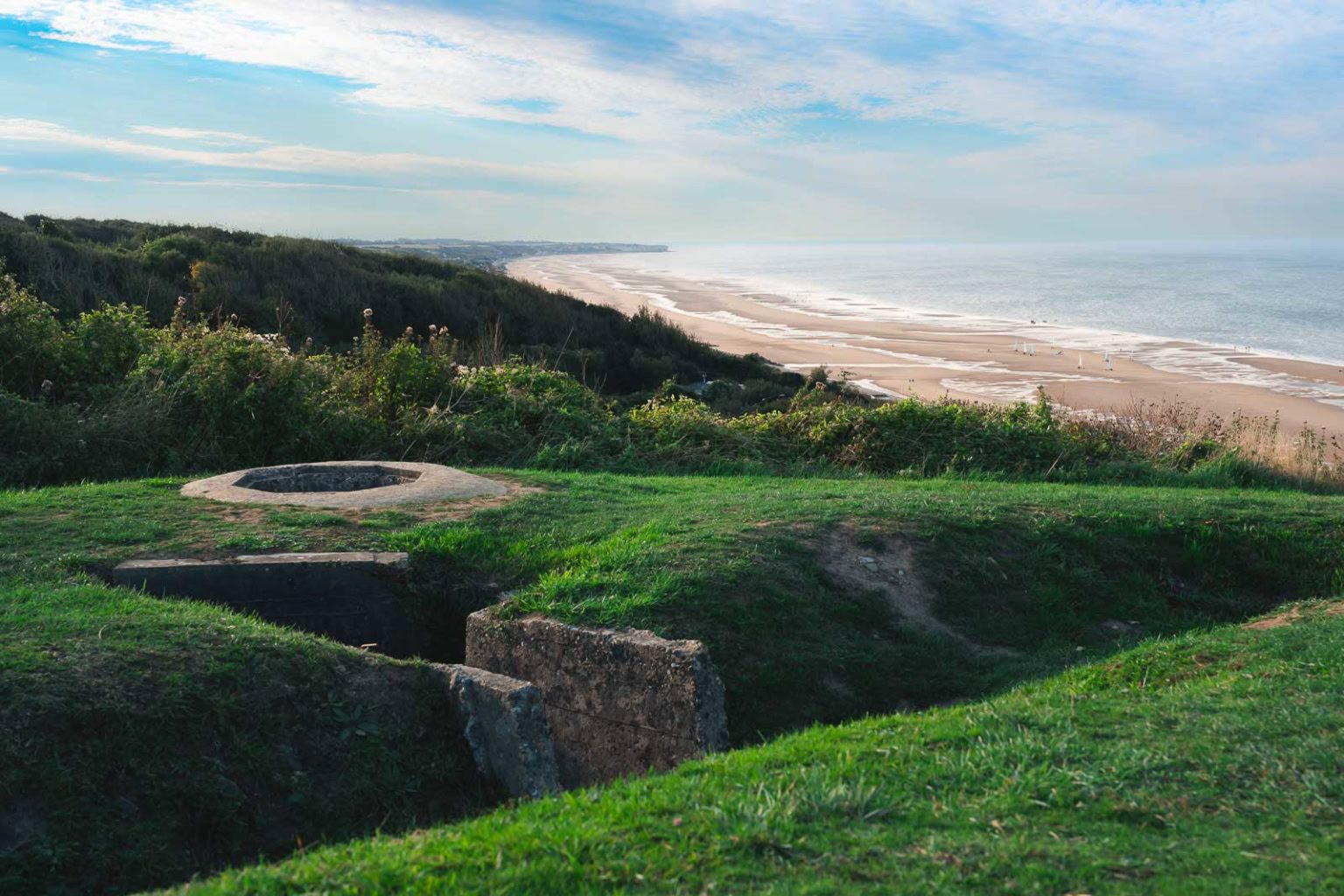
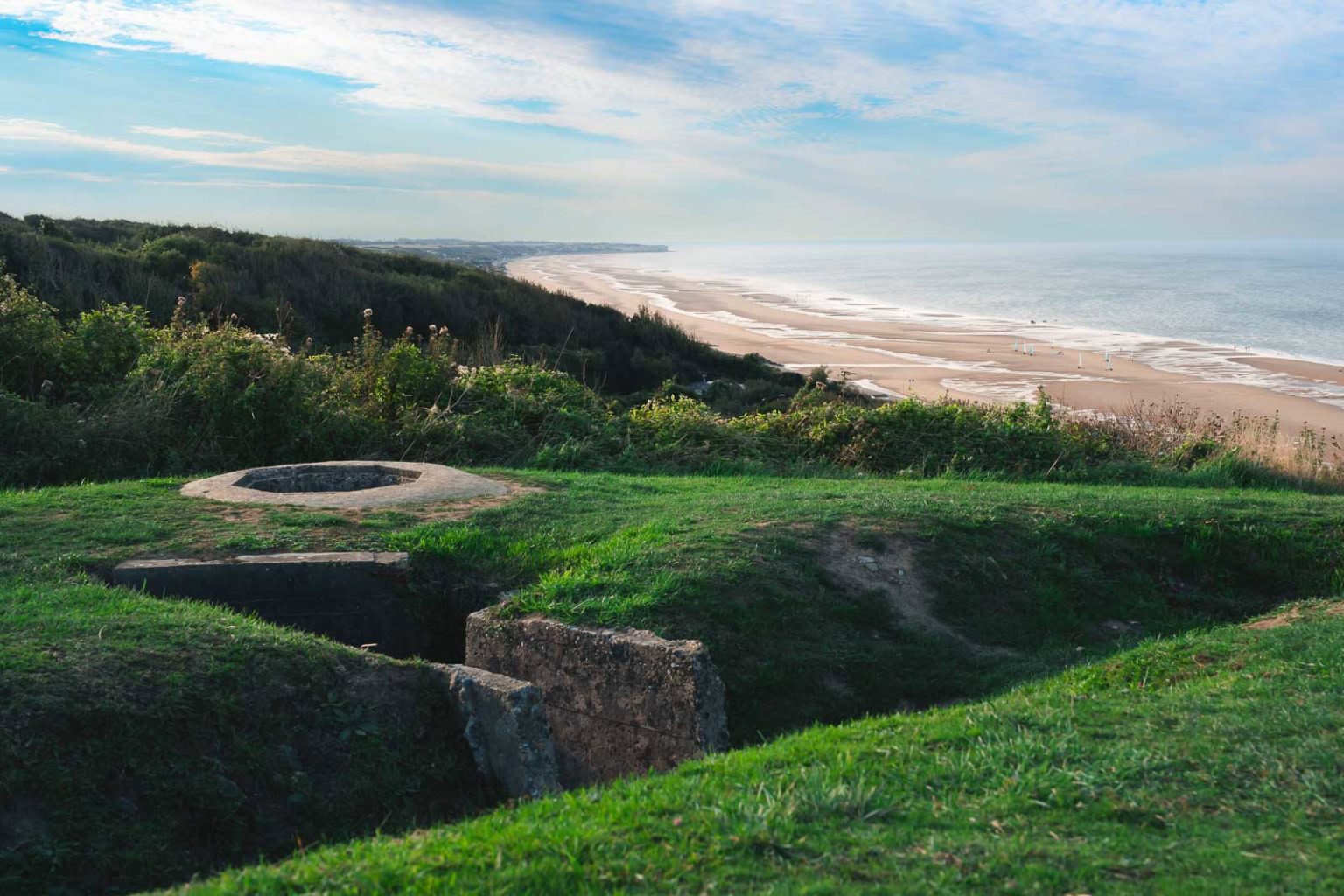
You pass through the visitor centre first. You watch a short film, read three or four letters, then walk the gravel path east toward the colonnade. You find the reflecting pool. You count rows — they will not stay counted, because the alignment shifts with every step. You descend the stairway at the bluff's edge to the overlook, where Omaha Beach opens below you in a long grey curve. The tide decides how much sand you see.
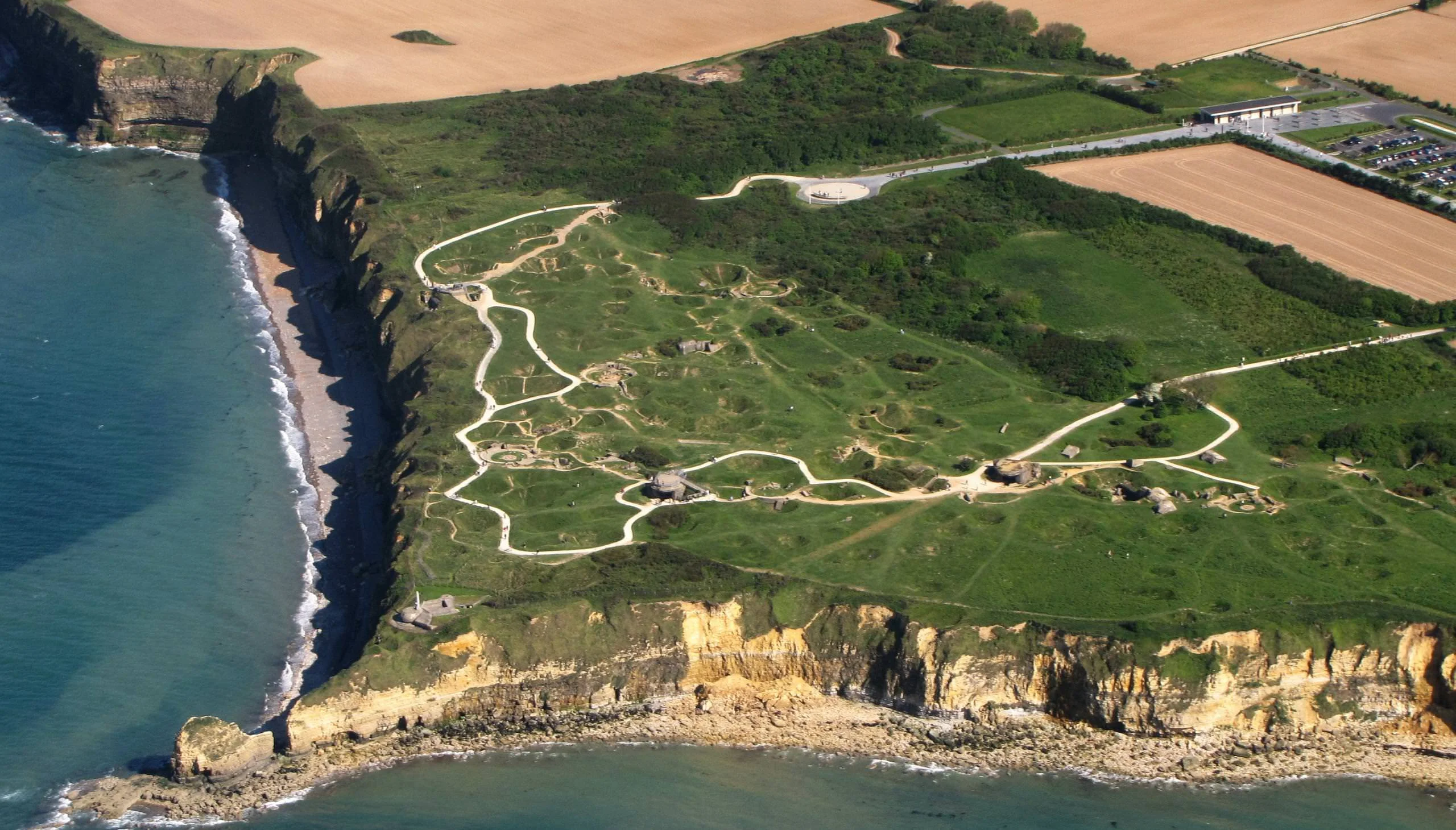
Afterwards the route usually turns west to Pointe du Hoc, where you cross open craters on wooden boardwalks and duck into a casemate that smells of damp concrete. Some itineraries swing east to Juno Beach instead, or south the following morning toward Mont Saint-Michel. You stop in Bayeux for the night. You eat late, walk the cathedral square, and return the next day with the Channel still in your ears.
All the details about your upcoming adventure in one place
The Normandy American Cemetery at Colleville-sur-Mer sits on land granted in perpetuity to the United States by France, yet the ground itself remains French soil. That legal arrangement, unusual among war memorials, explains the quiet formality of the place: 172.
5 acres of clipped lawn above Omaha Beach, maintained by the American Battle Monuments Commission and open every day of the week.
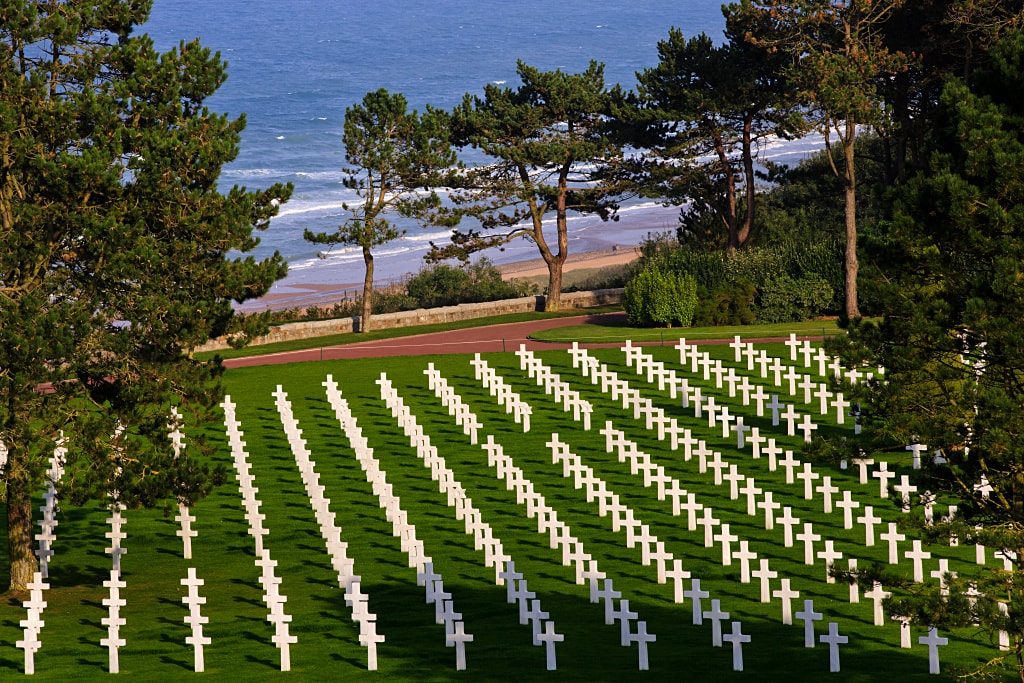
The cemetery was dedicated in 1956, replacing the temporary burial ground established days after 6 June 1944. Its plan is deliberate rather than decorative. A semicircular colonnade frames a bronze figure titled The Spirit of American Youth Rising from the Waves. Behind it, the Walls of the Missing carry names in Lanson stone; a rosette beside a name means the remains were later identified. The headstones — Lasa marble crosses and Stars of David — are aligned on ten geometric axes, so the rows reorder themselves as visitors move along the paths.
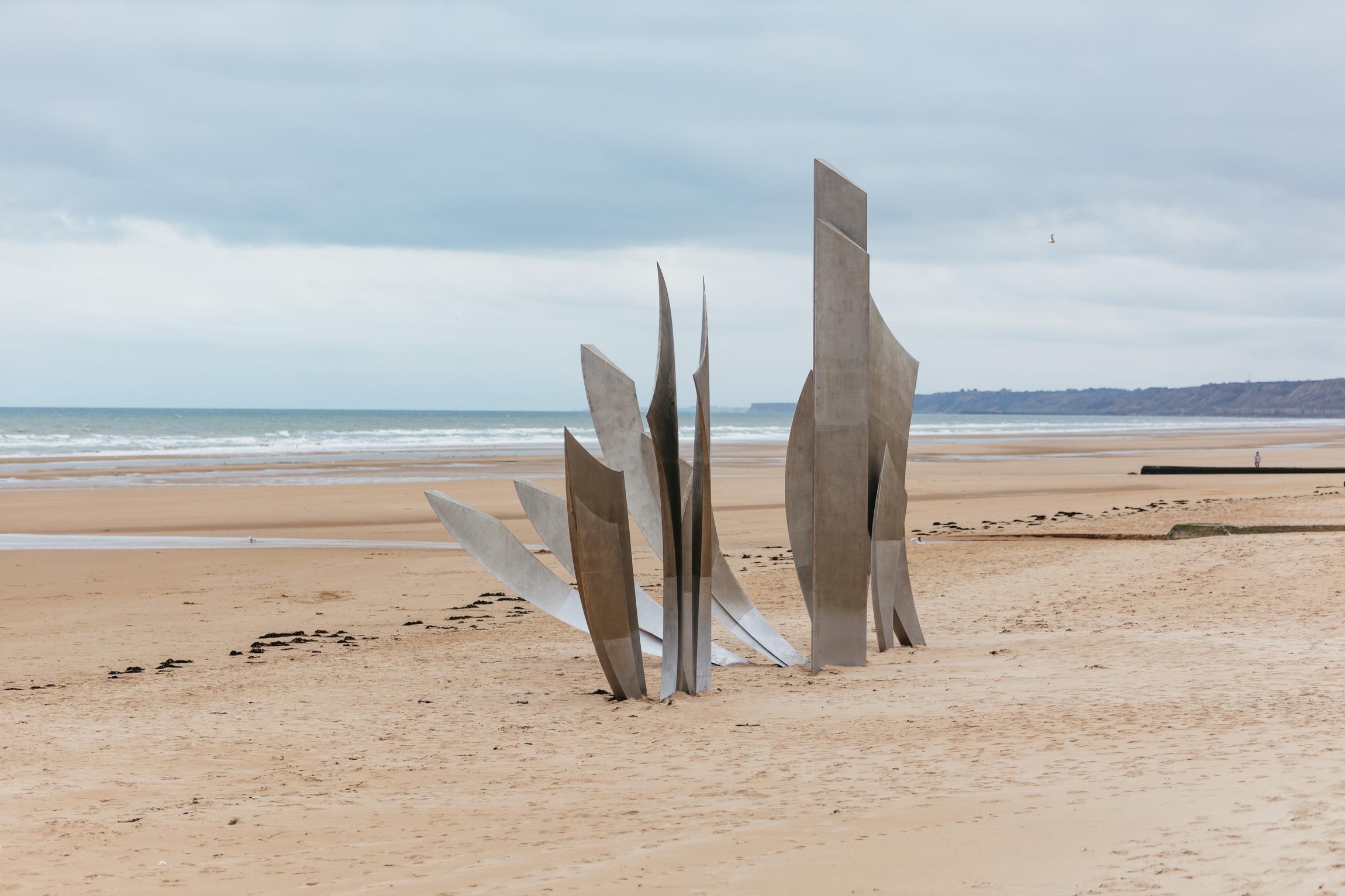
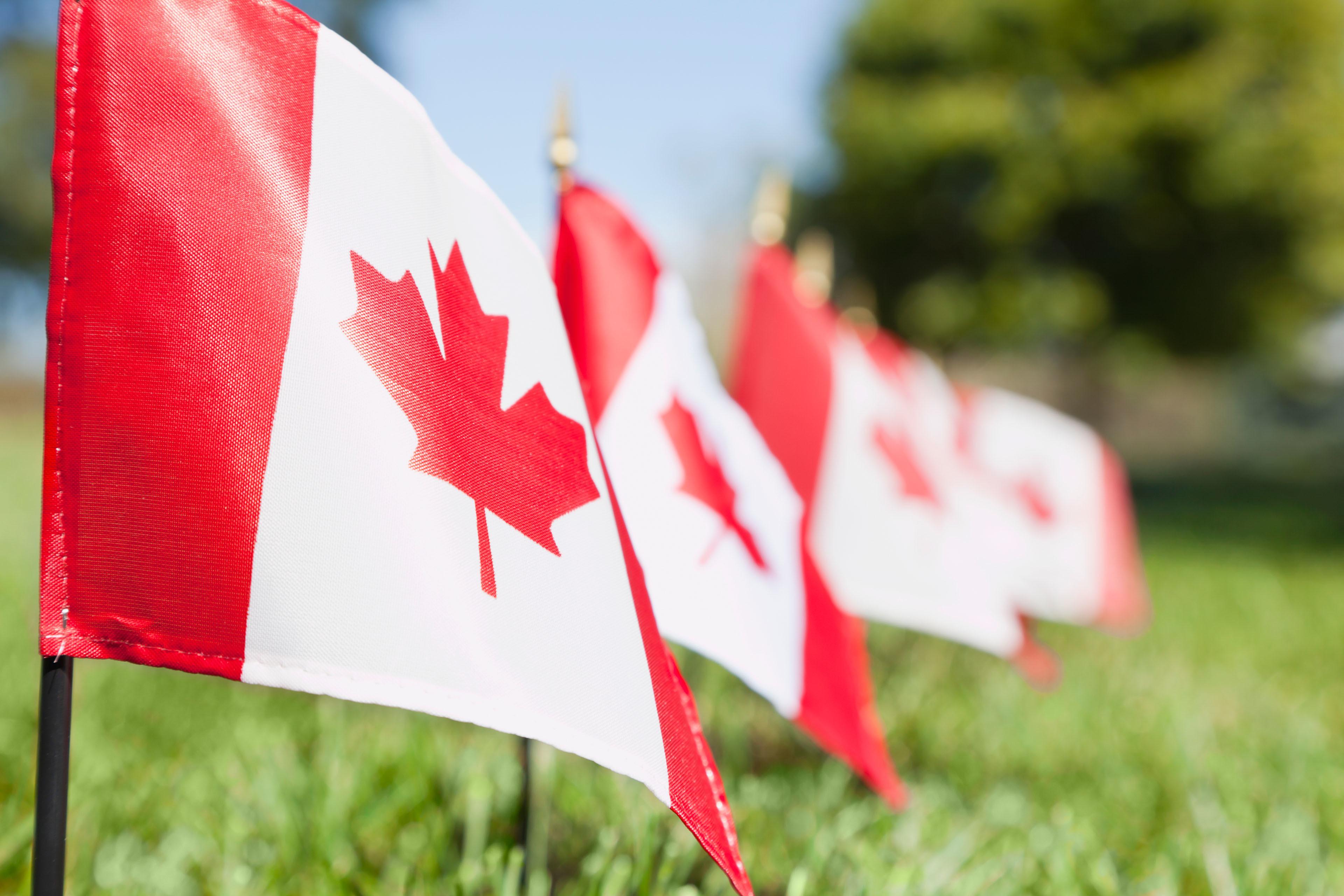
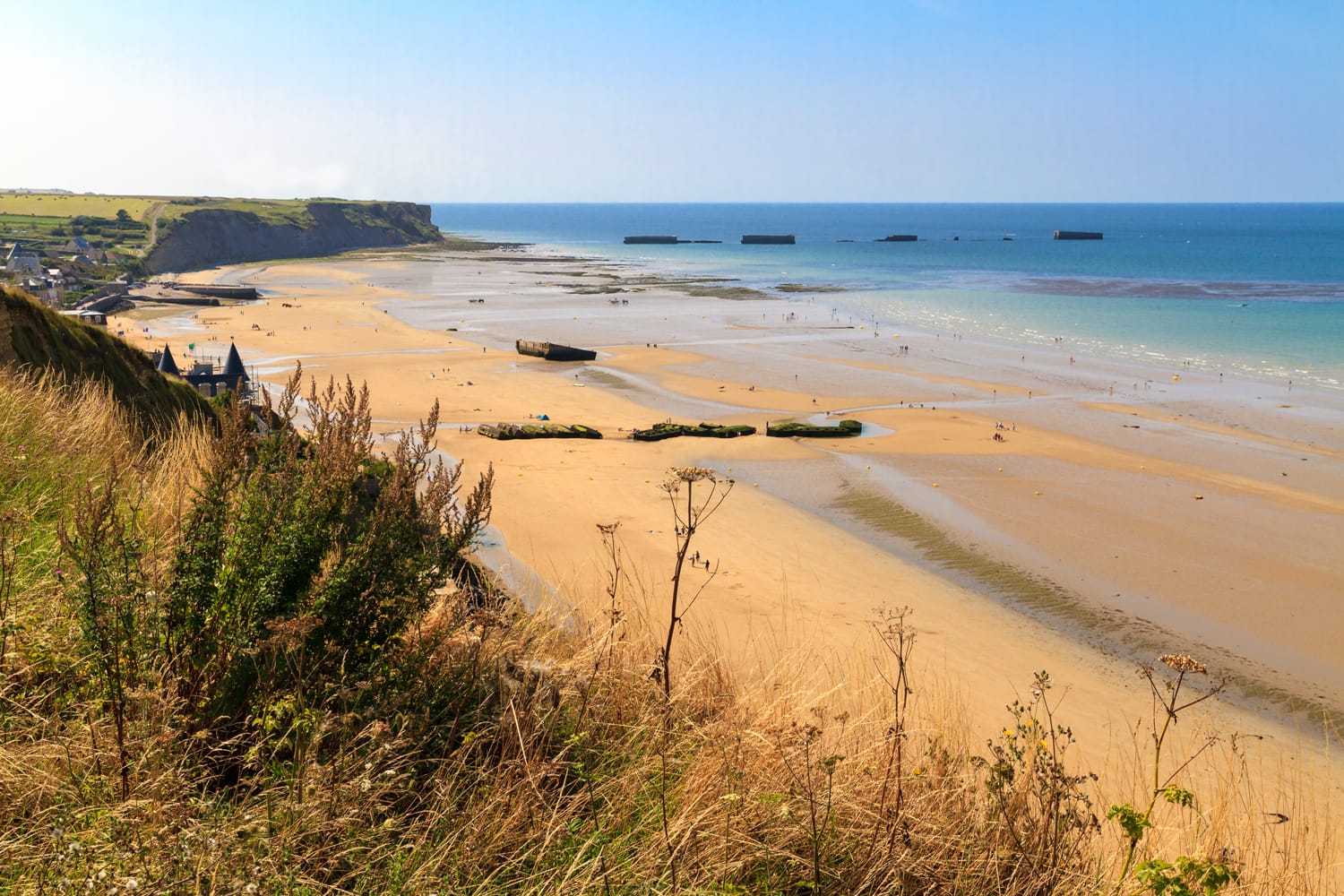
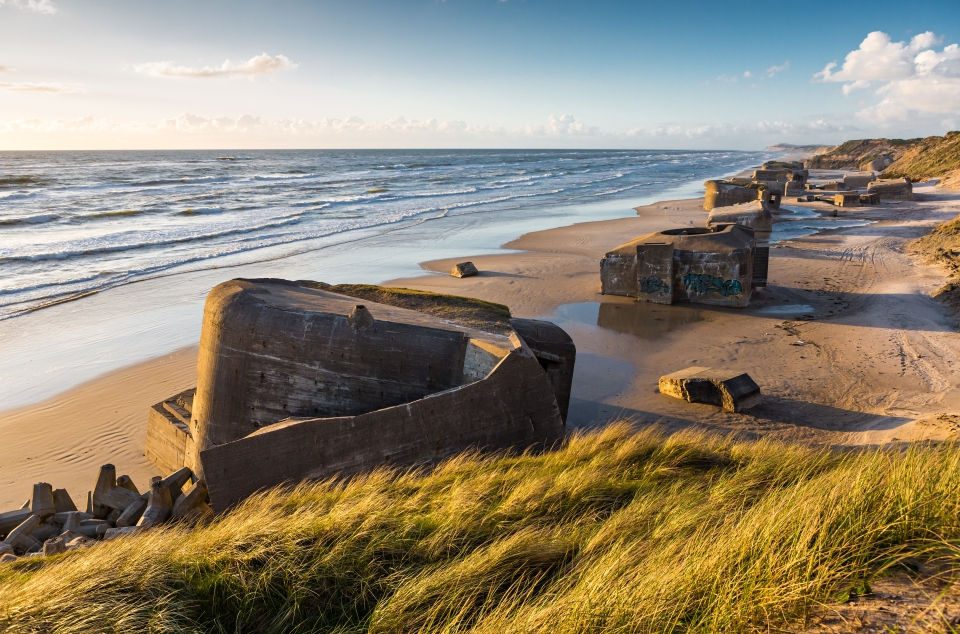
A 2 day trip from paris to normandy usually places this site at its emotional centre, but the surrounding landscape carries the same record. The bluff drops to the sand where the 1st and 29th Infantry Divisions came ashore. Pointe du Hoc, twelve kilometres west, still holds its cratered chalk and broken German casemates. Arromanches retains the concrete caissons of the Mulberry harbour, visible at low tide. Juno Beach, further east, marks the Canadian sector. Longues-sur-Mer keeps four naval guns in their original emplacements — the only battery on the coast with its artillery intact.
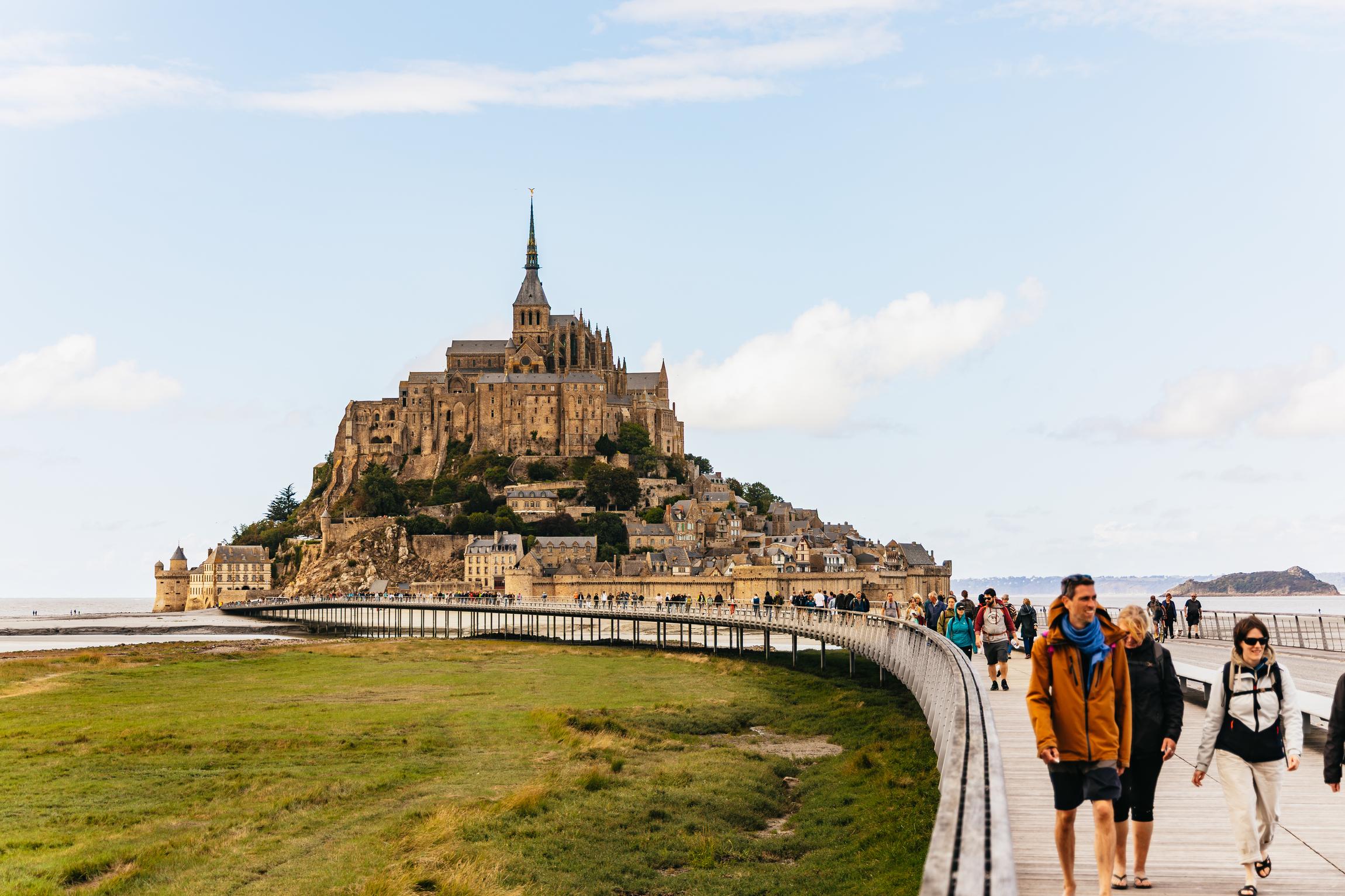
What gives the region its coherence is continuity of terrain. The bocage hedgerows that slowed the Allied advance still divide the fields inland. The Bayeux Tapestry, eleven centuries older, hangs nine kilometres away and records a crossing of the same Channel in the opposite direction. Mont Saint-Michel rises at the western edge of the same département's coastline, an eleventh-century abbey on a tidal island, and many operators pair it with the landing beaches on a single circuit.
The visitor centre, opened in 2007, uses personal narrative rather than campaign maps: letters, photographs, and the recorded voices of veterans. Its films run continuously. Admission is 0 EUR, free entry, and no ticket is required — the cost of a guided 2 day trip from paris to normandy covers transport and interpretation, not the ground itself. That distinction matters. The memorial belongs to no commercial itinerary. It simply stands, above a beach, where the tide comes in twice a day and the names remain fixed.

The headstones are aligned on ten geometric axes, so the rows reorder themselves as visitors move along the paths.
Dress for a solemn outdoor memorial on the coast: comfortable shoes, a wind layer, and weather-appropriate clothing. Summer can still feel breezy on the bluff above Omaha Beach.
Expect a memorial-site setting rather than an airport-style screening process. Keep bags compact, stay on paths, and be prepared for staff to restrict behavior that conflicts with the cemetery’s commemorative purpose.
Personal photos and videos are allowed throughout the cemetery grounds, but they must remain respectful. Non-commemorative content such as wedding shoots, political advocacy, publicity, or influencer promotion is not acceptable.
Families are welcome, but this is a quiet remembrance site rather than a play-oriented attraction. Keep children close, speak softly, and plan for a calm visit that fits the memorial setting.
ABMC states the grounds are generally wheelchair accessible, but visitors with specific mobility needs should check ahead if they need help. The cemetery sits on a cliff with long outdoor walks, so pacing matters even where surfaces are accessible.
With the exception of water, visitors may not consume food or beverages within the cemetery grounds. Please do not leave trash behind, and plan meals before or after the visit.
Hours
Monday to Sunday: 09:00–17:00
Address
Normandy American Cemetery, Route du Cimetiere Americain, Colleville-sur-Mer, France
Admission
Free entry (0 EUR)
Best arrival window
09:00–10:30 for quieter early visits
Phone
+33 2 31 51 62 00
Official site
https://www.abmc.gov/cemeteries-memorials/normandy-american-cemetery/
Public transport · About 2.5 hours to Bayeux plus transfer · Train fare varies by booking
Take a train from Paris Saint-Lazare to Bayeux, then continue by taxi or organized coach to Colleville-sur-Mer. ABMC’s booklet notes rail travel to Bayeux is about two and a half hours, with taxi and tour-bus service available onward.
Car · Roughly 2.5–3.5 hours depending on traffic · Fuel, tolls, parking as applicable
From Paris, follow A13 toward Caen, then N13 to Bayeux and Formigny, then D517 and D514 to Colleville-sur-Mer. ABMC says signs mark the entrance, and the site has ample parking.
Taxi · About 20–30 minutes from Bayeux · Local metered fare varies
A taxi from Bayeux works well if you are assembling a 2 day trip from Paris to Normandy without a car. This is the simplest last-mile option for the cemetery and avoids parking coordination in Colleville-sur-Mer.
Admission is free (0 EUR), so there is no ticket refund to process for standard visits. For cemetery services, group visits, or special ceremonies, ABMC asks visitors to use the official contact channel and follow the site’s booking terms.
Recommended time
2-3 hours
For a 2 day trip from paris to normandy, plan about 2 to 3 hours on site if you want the cemetery, memorial, and visitor center at a calm pace. That is usually enough time for the main walk, a reflective pause, and a short look through the exhibits without feeling rushed. If you are combining it with the broader Normandy D-Day Landing Beaches circuit, add extra time for photo stops, traffic between sites, and a slower lunch break elsewhere. Early arrivals usually feel gentler, and the morning window helps you avoid the heaviest waves that build later in the day. The same rhythm also fits well for 2 day trip from paris to normandy tours, when the first visit is focused and the rest of the day stays flexible.
Crowd levels through the day
Weather · crowds · average price — dots go green to amber to red as each metric rises.
April to June usually brings mild temperatures, greener coastal scenery, and steady but manageable visitation. It is a strong season for a 2 day trip from Paris to Normandy because daylight is longer and the D-Day landscape reads clearly in soft weather.
July and August are busiest, but the site’s open-air layout handles visitors well if you arrive early. Expect warmer days and stronger coastal sun; the memorial remains active as a historic destination, especially around June 6 commemorations.
September and October often offer cooler air, fewer tour groups, and a calmer atmosphere for reflection. This is a practical time for a 2 day trip from Paris to Normandy when you want lower crowd pressure without winter weather.
November through February is quieter and can feel stark on the bluff, with wind and rain more likely. Shorter days make early arrival especially useful, and the memorial’s solemn setting stands out in off-season light.
The best arrival window is 09:00–10:30, which gives you a calmer experience before the day builds. It also leaves enough time for a slower walk through the memorial and burial grounds.
The bluff above Omaha Beach can feel breezy even on warm days. A light jacket is more useful than a heavy layer in summer.
This is a commemorative site, so quiet behavior matters more than speed. Personal photos are fine, but use a restrained approach.
If you are building a 2 day trip from paris to normandy, Bayeux is the most efficient overnight base for this cemetery and the surrounding landing beaches. Rail access and short transfer times reduce logistical friction.
The cemetery is open on host-country holidays, but it closes on December 25 and January 1. If your visit is during major commemorative dates such as June 6, expect stronger crowding and traffic controls.
Route du Cimetiere Americain, Colleville-sur-Mer, France
Main public entry and visitor start point
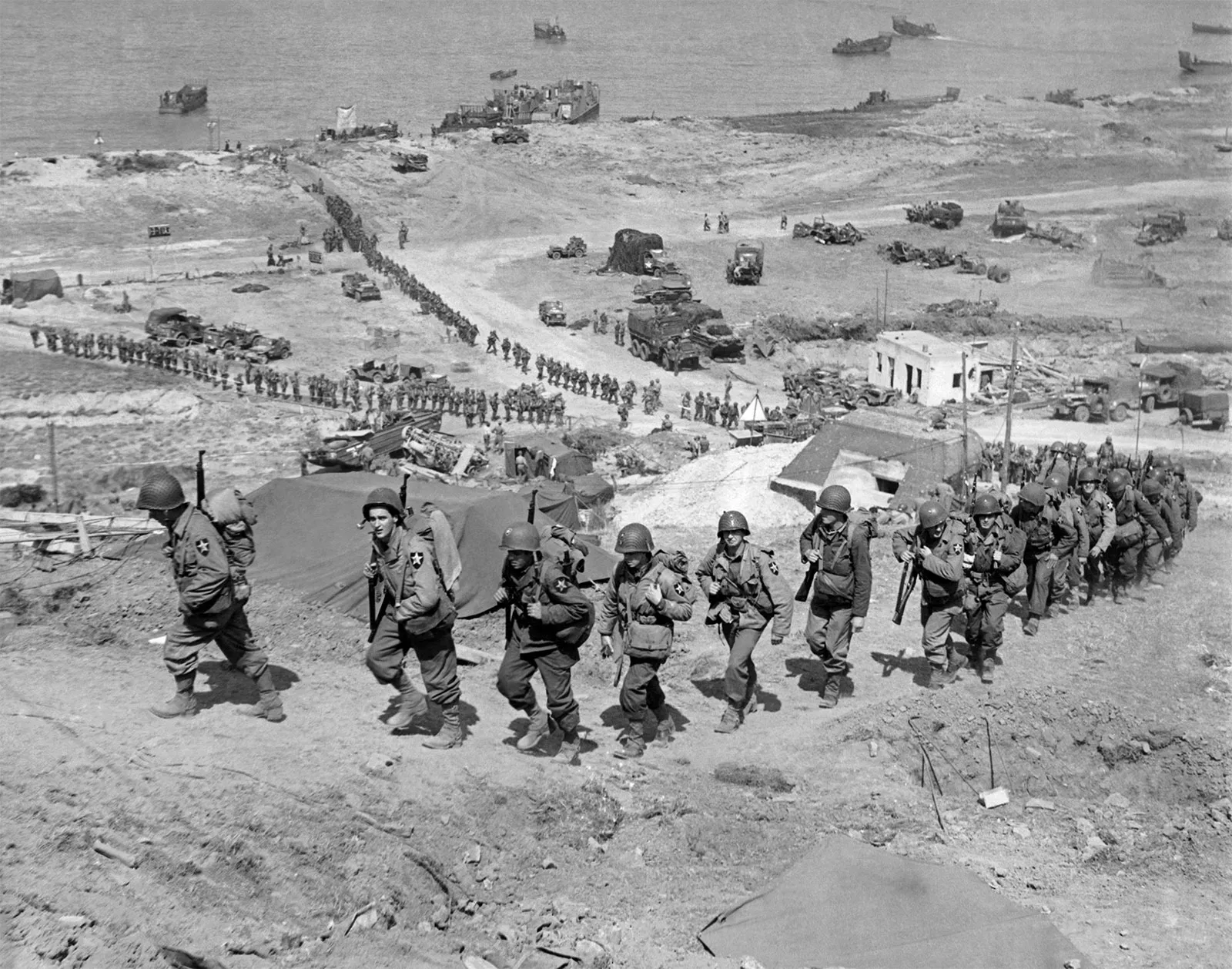
Get directionsThe ground above Omaha Beach was a burial site before it was a memorial. On 8 June 1944, two days after the landings, the First Army established the St. Laurent temporary cemetery on the bluff at Colleville-sur-Mer — the first American cemetery on European soil in the Second World War. Graves were marked with wooden crosses and Stars of David. Chaplains worked between artillery barrages. Visitors booking a 2 day trip from paris to normandy arrive on ground that was a working battlefield burial detail within forty-eight hours of the first assault waves. After the war, families were given a choice. Between 1947 and 1949, roughly 60 percent of American war dead were repatriated to the United States; the remainder stayed. France granted the United States a perpetual concession, free of charge, over the 172.5-acre site. Construction of the permanent cemetery began in the early 1950s under the American Battle Monuments Commission. Architects Harbeson, Hough, Livingston and Larson designed the memorial colonnade and the semicircular garden of the missing. Donald De Lue sculpted the bronze figure "The Spirit of American Youth Rising from the Waves," unveiled at the dedication on 18 July 1956. President Eisenhower, who had commanded the invasion, remained closely associated with the site. Guided Normandy landing beaches tours and most 2 day trip from paris to normandy tours still open here for that reason. The cemetery was never uncontroversial in its silence. Debate has persisted over how much of the D-Day story it can carry alone: the Rangers at Pointe du Hoc, the Mulberry harbour at Arromanches, the British and Canadian sectors at Gold, Juno and Sword, and the French civilian dead of the Battle of Normandy, estimated near 20,000. The 2007 visitor centre answered part of that criticism, adding archival testimony and personal artefacts to what had been a landscape of stone alone. What survives is deliberate. Lattanzio marble crosses face west, toward home. The reflecting pool, the chapel, the wall of the missing bearing 1,557 names — all date to the 1956 scheme. Booking a 2 day trip from paris to normandy tour or securing 2 day trip from paris to normandy tickets in advance is worth doing for the context alone.
The U.S. First Army establishes the St. Laurent temporary cemetery on the bluff above Omaha Beach.
Wooden crosses and Stars of David mark thousands of graves as the front moves east toward Germany.
Families choose repatriation or permanent burial abroad; about 60 percent of the American dead return home.
France grants a perpetual, rent-free concession and the American Battle Monuments Commission begins permanent construction.
The completed cemetery is dedicated, with Donald De Lue's bronze "The Spirit of American Youth Rising from the Waves" at its centre.
The site is added to the U.S. National Register of Historic Places as an overseas American memorial.
A visitor centre opens below the grave plots, adding archival film, testimony and personal artefacts.
The 80th anniversary of the landings draws heads of state and a dwindling number of surviving veterans to Colleville-sur-Mer.
Stand at the north edge of the pool to frame the memorial area as a clean mirror image, with the colonnade and lawn reflected in calm water. This is the strongest wide establishing shot for a 2 day trip from paris to normandy, especially when the sky is clear and the surface stays still.
Move to the front arc of the semicircular colonnade and shoot straight-on so the limestone curve leads the eye toward the central bronze statue. A slight off-center position gives depth while keeping the memorial architecture readable without crowding the frame.
Photograph the central statue from the reflecting pool side so the figure sits in the middle of the colonnade, with the memorial symmetry fully visible. This angle works best when you want a formal, centered composition that shows the site’s design rather than just the grounds.
Walk along the main burial area and shoot down a row at a low angle so the markers repeat into the distance with the Channel beyond. The rows read best from the paths between sections, where the lines stay orderly and the background remains open.
From the bluff edge, frame the lawn, cemetery, and the coastal horizon in one layered view that connects the memorial to Omaha Beach below. This is the key landscape shot for viewers searching for 2 day trip from paris to normandy tours, because it shows the cemetery’s cliffside setting and the sea beyond.
On a 2 day trip from paris to normandy, this stop works best as a calm, reflective pause rather than a long outing. Families usually do better with a short, respectful visit, a pushchair that can handle paved paths, and a clear plan for when kids need a break.
The cemetery’s main visitor areas are generally manageable with a stroller on paved ground, so a lightweight pushchair is the easiest choice for a family visit. If you are combining this with other Normandy D-Day Landing Beaches stops, leave bulky gear in the car so transitions stay simple.
School-age children usually get the setting more easily than toddlers, since the memorial context invites quiet walking and short conversations. Younger kids can still come, but plan a shorter stop and keep expectations gentle on a 2 day trip from paris to normandy tour.
ABMC’s Normandy pages confirm a visitor center on site, and the cemetery is free to enter; the public information does not clearly list baby-change facilities. If you need a diaper change, plan to use your own changing mat in the car or ask staff at the visitor center where the nearest practical option is.
Keep the visit brief, with one slow walk, a pause at the memorial, and an early exit if attention starts to fade. A 2 day trip from paris to normandy tickets itinerary works better when parents build in snack and rest stops before and after this memorial visit.
There is no reason to make the cemetery itself your lunch stop, so bring water and child-friendly snacks for before or after. That keeps the atmosphere calm and avoids turning a solemn site into a rushed meal break.
If the weather turns wet or windy, use the visitor center as your first reset point and keep the outdoor part as short as possible. For families, that makes this stop feel more manageable without losing the meaning of the visit.
For a 2 day trip from paris to normandy, the easiest food plan near Normandy American Cemetery is a quick meal right by the Omaha Beach area, then a fuller dinner in Bayeux or Port-en-Bessin. The immediate zone has simple, visitor-friendly stops, while Bayeux adds better sit-down options after the cemetery visit.
Right on Route du Cimetière Américain, this is the most convenient sit-down option if you want to eat without detouring. Expect a practical lunch or early dinner menu with French and grill-style dishes; it can fill up around standard lunch hours.
Everything you need to know for your journey
The cemetery is open Monday through Sunday from 09:00 to 17:00. Last entry is 30 minutes before closing, so plan to arrive early enough to visit without rushing. Entry is free: 0 EUR. That makes the cemetery an easy add-on for a 2 day trip from paris to normandy without a ticket budget. The best arrival window is 09:00–10:30. That timing is early enough to avoid the heaviest flow and still gives you a full visit before closing. Yes, the cemetery is closed on December 25 and January 1. It is otherwise open daily and also open on host-country holidays. Yes, personal photos and videos are allowed throughout the cemetery grounds. They should remain respectful, and non-commemorative content such as publicity or influencer promotion is not acceptable. You may bring water, but food and beverages other than water may not be consumed within the cemetery grounds. Pack meals for before or after your visit and do not leave trash behind. ABMC says the grounds are generally wheelchair accessible. Because the site is a large coastal memorial, visitors with specific mobility needs should plan for outdoor walking and contact the site if they need extra help. From Paris, the usual route is train to Bayeux, then taxi or coach to Colleville-sur-Mer. ABMC’s booklet describes rail service between Paris Saint-Lazare and Bayeux and notes the onward transfer from Bayeux by taxi or tour bus. Bags are not described as a major issue in the official visitor guidance, but the site does restrict behavior that conflicts with its commemorative purpose. Keep luggage compact and avoid bringing items that create security or conduct concerns. Families can visit, but the cemetery is a solemn memorial rather than a recreational venue. Keep children close and quiet, and choose a short, focused route through the burial area and memorial. The easiest nearby pairings are Omaha Beach and Point du Hoc, both of which sit within a short drive. Overlord Museum and Arromanches 360 are also strong additions to a 2 day trip from paris to normandy itinerary.
Please contact us for more information.
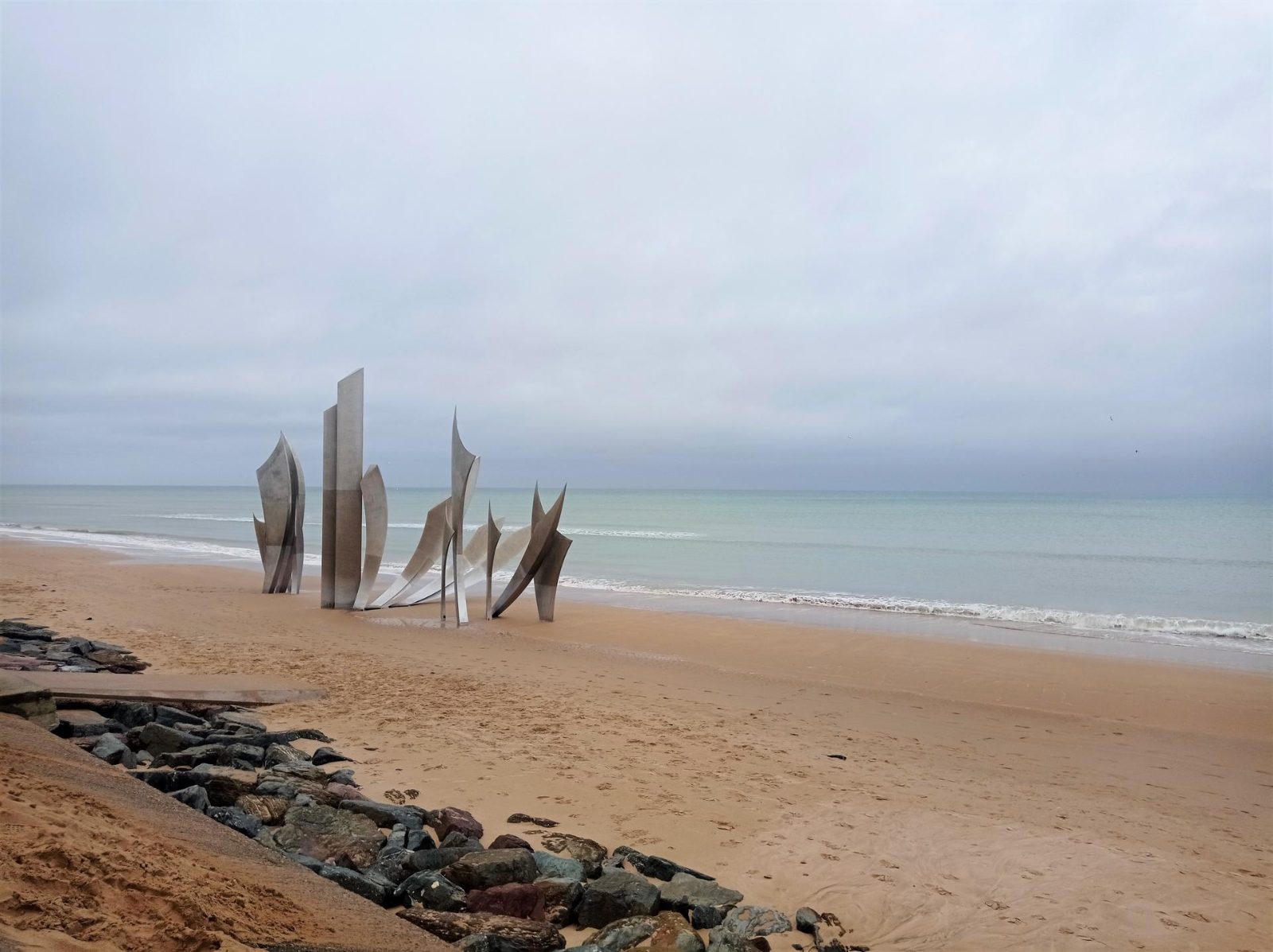
The cemetery overlooks Omaha Beach, one of the core D-Day landing sectors. The shoreline is easy to combine with a memorial visit because it is immediately adjacent to the bluff setting.
A dramatic coastal battlefield site associated with the Ranger assault on June 6, 1944. The cliffs and cratered terrain make it one of the most direct companions to a cemetery visit.
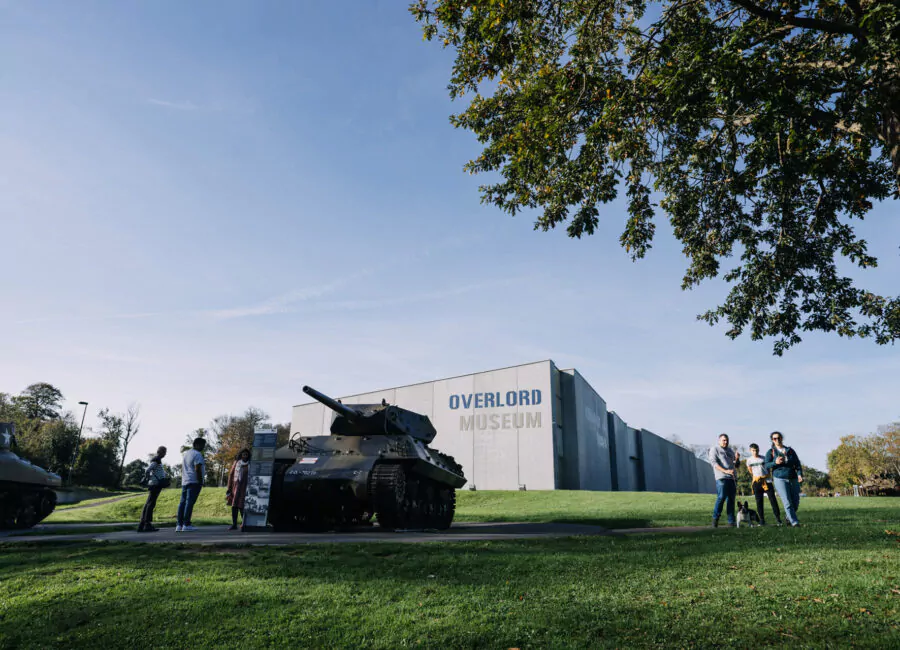
This museum focuses on the Normandy campaign with vehicles, uniforms, and battlefield context. It pairs well with the cemetery if you want a deeper operational narrative after the memorial.
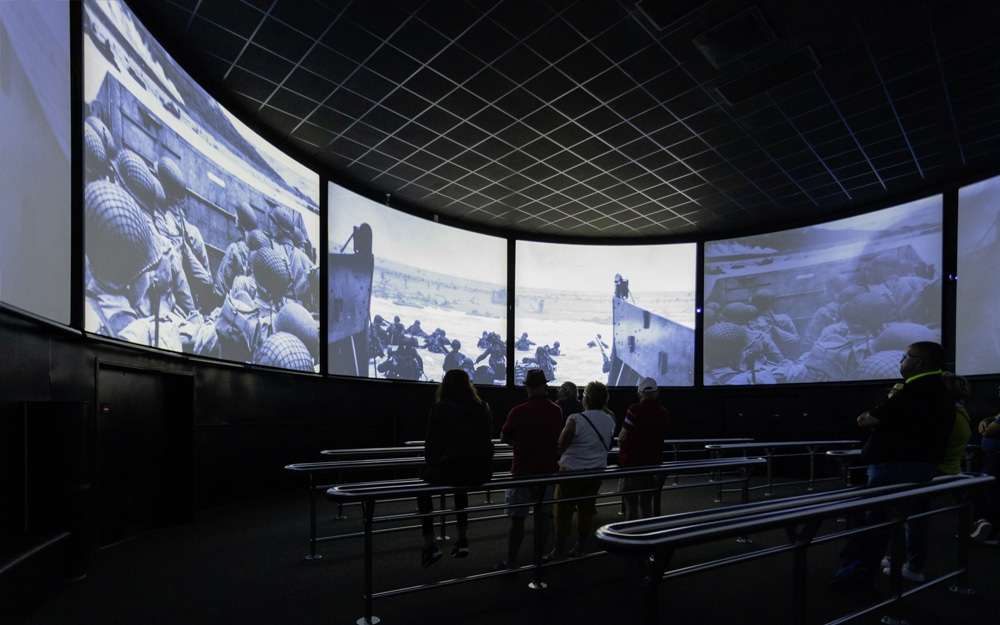
A panoramic memorial cinema and lookout tied to the Allied Mulberry Harbor story. It expands the D-Day timeline beyond Omaha Beach and the cemetery’s immediate setting.
A quieter coastal access point near the landing area. It is useful if you want a broader beach walk after the formal memorial portion of a 2 day trip from Paris to Normandy.
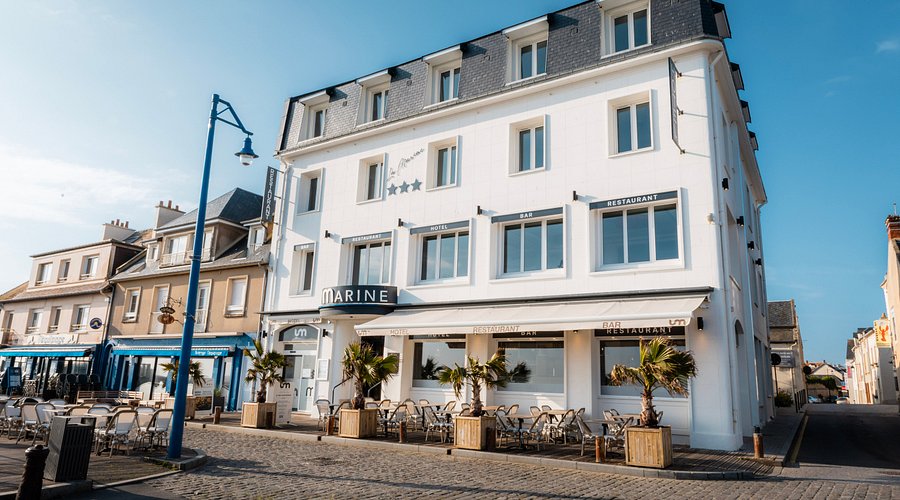
Bayeux is the most practical base for an overnight on a 2 day trip from Paris to Normandy. It offers dining, rail access, and easy driving routes to the landing beaches.
A harbor-side option with direct access to the coastal route. It suits travelers who want a smaller town feel while staying close to the memorial and Omaha Beach.
A larger-city base with more hotel inventory and transport links. It is less immediate than Bayeux, but useful if your wider itinerary includes museums and urban dining.
Join thousands of happy travelers who have discovered this incredible experience
Book Your Experience Now